Long Beach, California — Southern California is bracing for several days of dangerous surf, coastal flooding and powerful rip currents as Hurricane Polo sends elevated swells toward the region.
Polo was already contributing to higher tides at some Southland beaches Sunday, while another hurricane, Odalys, was churning off central Mexico. The National Weather Service warned that swells from both storms could affect Southern California through Tuesday, creating a heightened risk for beaches, coastal roads and low-lying areas.
The greatest concerns are focused on Avalon, Long Beach and Malibu, where forecasters expect vulnerable south-facing beaches to face the strongest impacts.
Waves Could Reach 7 Feet
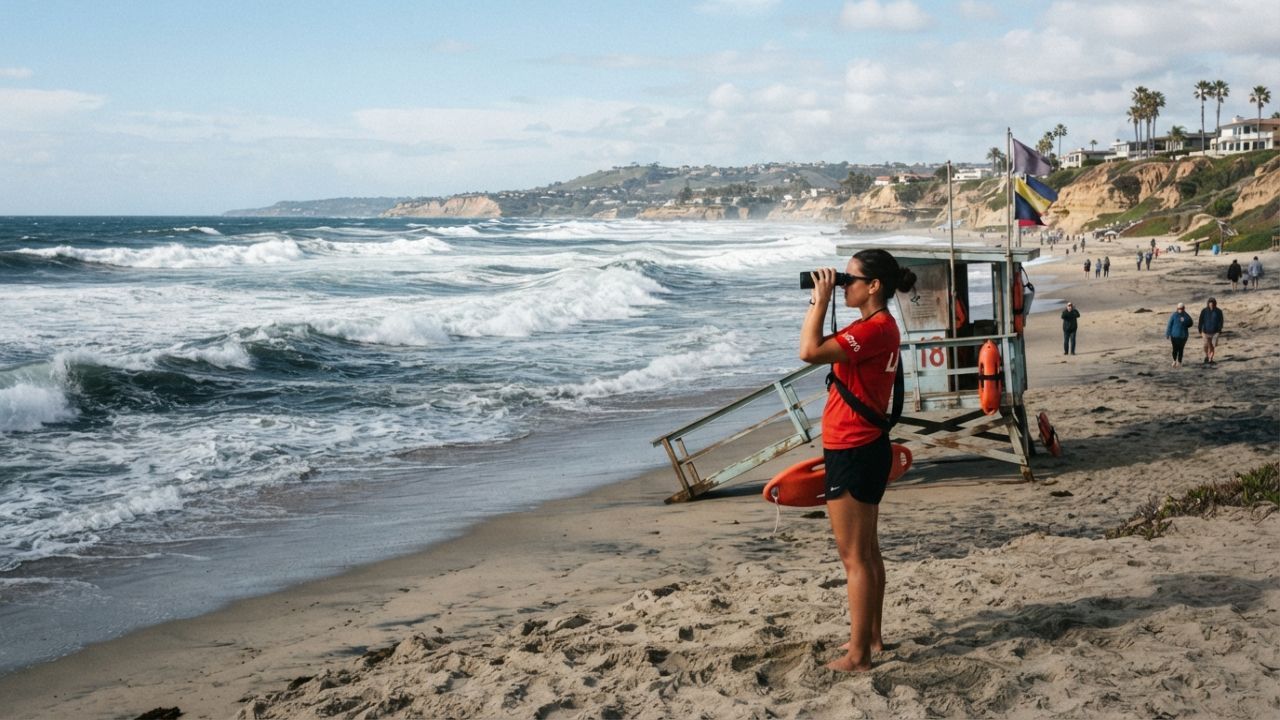
Surf along south-facing beaches could reach 4 to 7 feet at times from Sunday through Tuesday, although forecasters cautioned that wave heights could vary by roughly 2 feet because of uncertainty surrounding the hurricanes and their tracks.
High tides are also expected to increase steadily, reaching their peak Monday and Tuesday at around 7 feet. The National Weather Service warned:
“There is a significant concern for coastal flooding over vulnerable south-facing beaches as a result, but the magnitude is still uncertain.”
That uncertainty is making the exact extent of the coastal impacts difficult to determine.
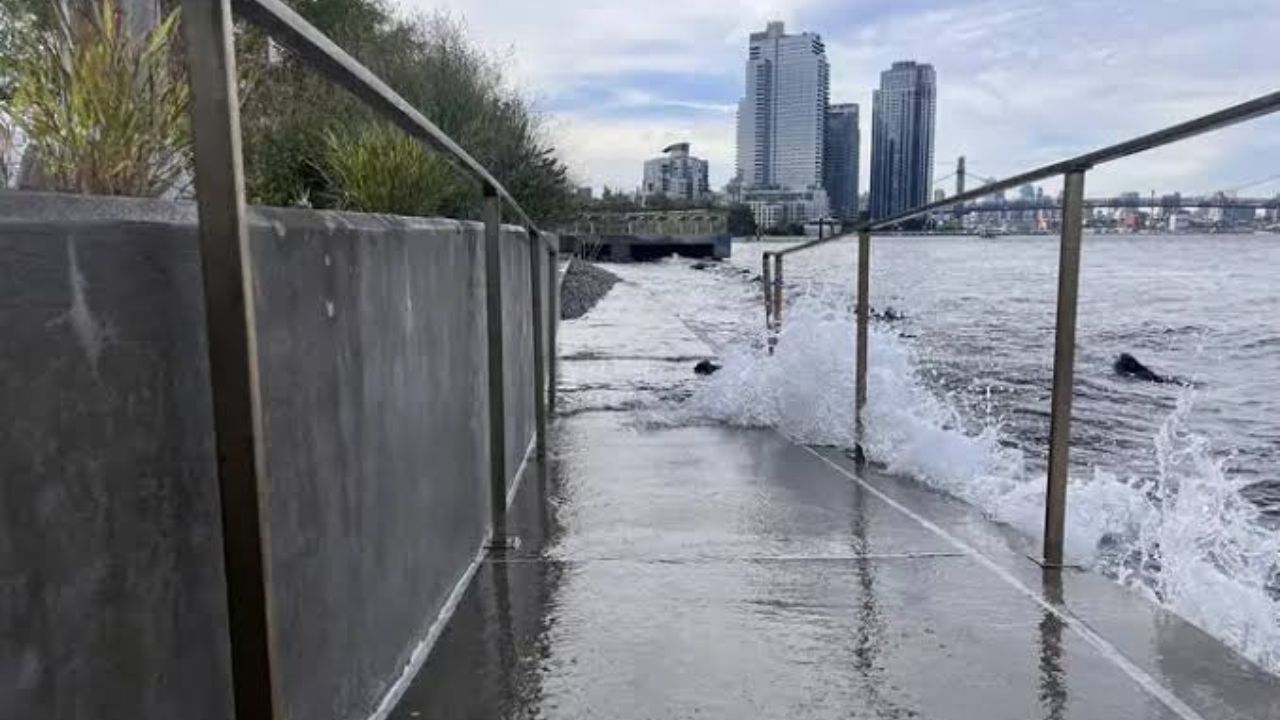
Forecasters said low-lying walkways, parking lots and roads could experience shallow seawater flooding. Significant beach erosion is also possible, while the most vulnerable structures could experience very localized damage.
Long Beach Prepares After Recent Destruction
Long Beach is taking the latest threat seriously after Hurricane Marie caused substantial damage to the coastline earlier this month.
The previous storm left parts of the boardwalk ripped up and homes damaged, prompting the city to declare a local emergency. Residents on the peninsula have since been preparing for another round of powerful waves.
“I think people are taking it pretty seriously,” said Ted Hollister, who lives in Long Beach. “You see a lot of homes boarded up and people evacuated.”
Other residents said the damage from Marie remains fresh in their minds.
“Now they know what to prepare for,” Tammy McGraw of Long Beach said. “I don’t know how much it’s going to work. It’s going to slow it down, but what can you do it seems like with all the big waves.”
Along the shoreline, residents have placed fences, wooden boards and sandbags in front of their properties.
City crews have also been making emergency repairs and bringing in 3,000-pound sandbags to help protect vulnerable sections of the shoreline.
The Long Beach Fire Department said it had distributed about 4,000 sandbags and planned to establish a mobile command post Monday morning.
Avalon Could Face Added Exposure
Avalon could be particularly vulnerable during the latest round of swell.
The National Weather Service said Polo’s waves are expected to approach from a more southeasterly direction than the waves generated by Marie, potentially leaving Avalon more exposed.
Forecasters said a reasonable worst-case scenario could produce impacts similar to those seen during Marie, although the most likely outcome is expected to be less severe.
The situation is complicated by the proximity of Polo and Odalys. Computer models have had difficulty forecasting Odalys, while Polo is expected to have only a relatively short window in which it is far enough west for its waves to travel toward Southern California without significant disruption.
Officials Warn About Dangerous Rip Currents
Los Angeles’ Emergency Management Department issued an alert Friday urging residents to prepare for the incoming conditions.
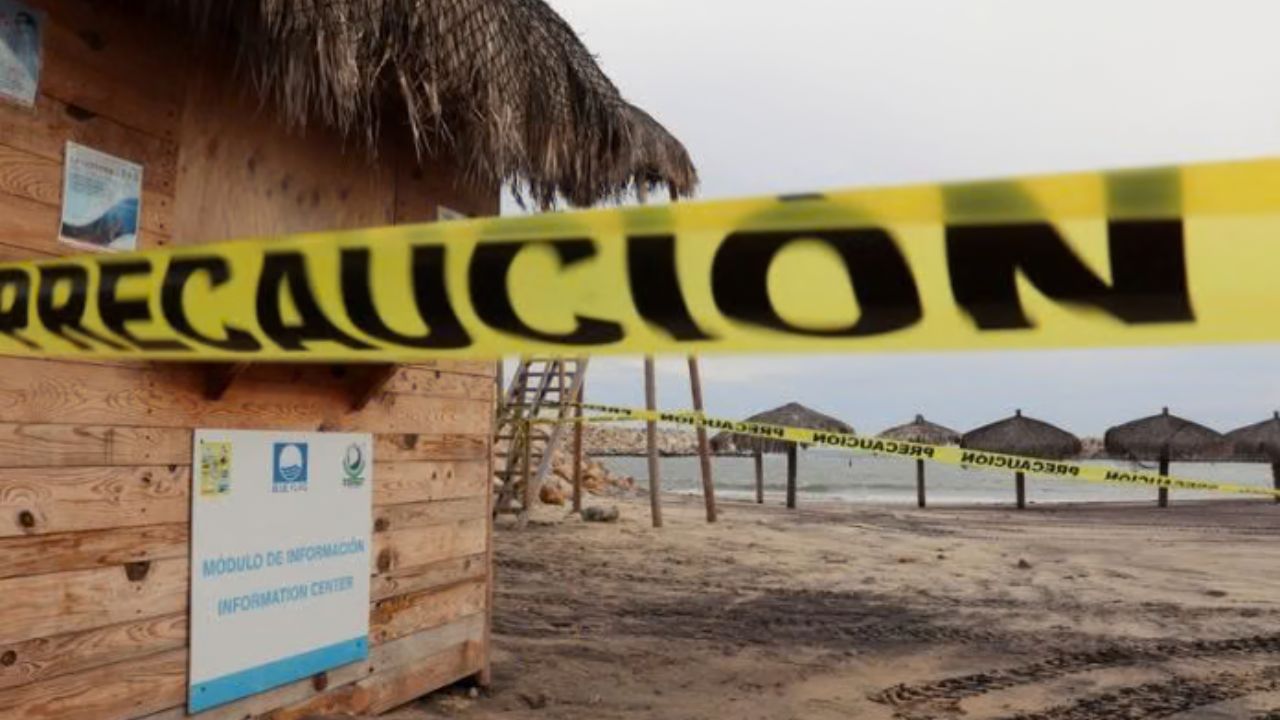
Officials specifically warned about an increased risk of drowning, with widespread and very strong rip currents potentially pulling swimmers and surfers away from shore.
Residents in areas vulnerable to coastal flooding were advised to obtain ready-to-fill sandbags from Los Angeles Fire Department stations and review guidance on placing them properly.
A beach hazards statement was issued for Los Angeles County beaches through early Monday, while a coastal flood advisory was issued for Monday and Tuesday.
Orange County also received a beach hazards statement through late Sunday because of expected minor overflow, along with a coastal flood advisory extending through 5 p.m. Wednesday.
Hurricane Polo Strengthens Near Baja California
While Southern California prepares for the coastal impacts, Mexico’s Baja California peninsula is dealing with a much more direct threat.
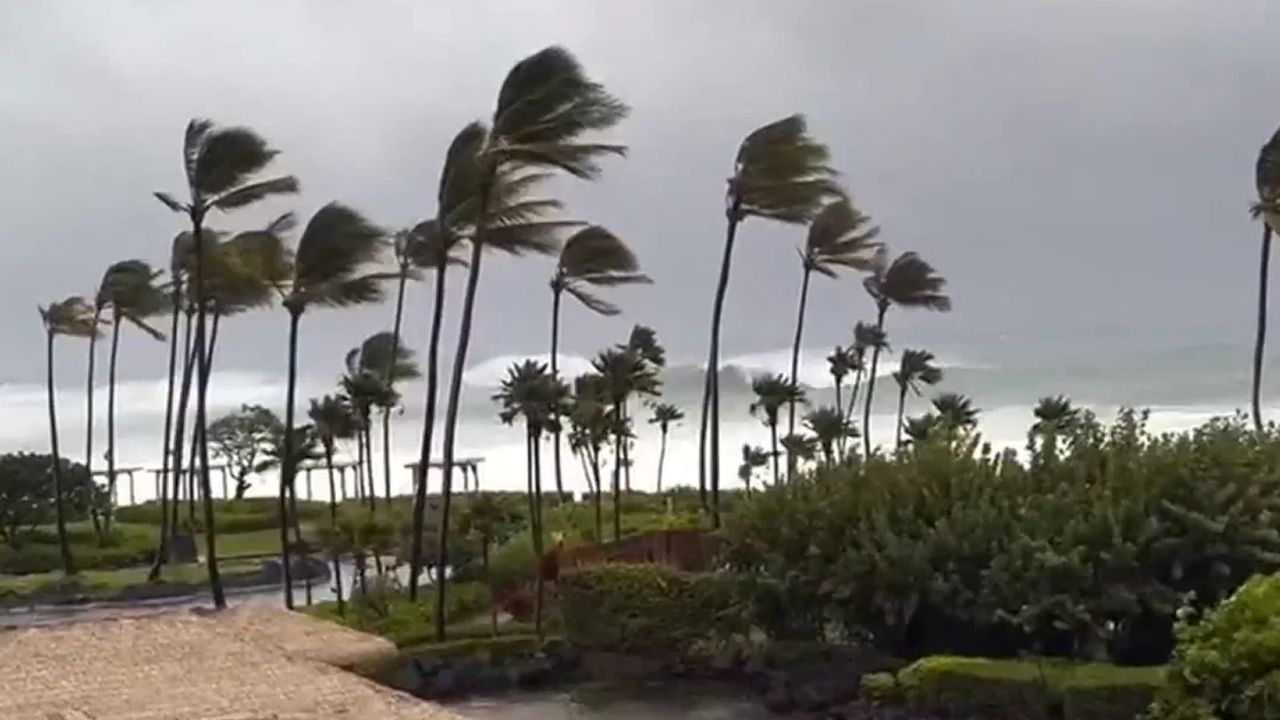
Polo was approaching the peninsula Sunday as a Category 3 hurricane with maximum sustained winds of 125 mph. The National Hurricane Center warned that heavy rainfall could begin affecting the region overnight, potentially producing life-threatening flooding and mudslides.
The storm was moving north at about 12 mph and was located roughly 270 miles west of Cabo San Lucas.
After crossing Baja California, Polo is expected to reach mainland Mexico and could eventually send heavy rain and flooding into parts of the U.S. Southwest.
Residents Brace for Polo’s Arrival
Mexican authorities have been preparing for the storm, with the navy gathering personnel and humanitarian supplies at ports including Guaymas and Mazatlan.
In San Juanico, a small fishing community along Baja’s Pacific coast, residents are particularly concerned about the possibility of washed-out roads cutting off access to medical services.
“Our people are concerned about this event,” said Gloriely Robles Meza, a manager at a small hotel. “We haven’t faced such a worrying situation in many years.”
Army soldiers arrived in San Juanico Sunday to help prepare a shelter and assist residents.
Meanwhile, Tropical Storm Rachel formed well off Mexico’s southwest coast Sunday, adding another system to an already active Pacific pattern. Rachel had maximum sustained winds of 40 mph and was located about 300 miles south of Acapulco.
Another Hot Spell Could Follow
Once the tropical activity and coastal impacts ease, Southern California is expected to face another significant weather change.
Temperatures are forecast to rise around midweek, with highs reaching the mid-to-upper 90s across many valley areas beginning Wednesday and continuing into the weekend.
For now, however, coastal residents and beachgoers remain focused on Polo’s approaching swell, rising tides and the potential for dangerous flooding.
Are you in Southern California and preparing for Hurricane Polo’s surf and coastal flooding threat? Share your city and what you’re seeing in your area in the comments below.