Los Angeles, California — Southern California is bracing for another round of dangerous coastal conditions as Hurricanes Polo and Odalys churn over the Pacific and send powerful swells toward a coastline that is still recovering from destructive waves earlier this month.
The National Weather Service expects the two hurricanes to produce strong southerly swells, coastal flooding, dangerous rip currents and additional beach erosion across parts of Southern California between Monday and Tuesday.
The biggest concerns are expected when high tides overlap with the incoming swells, creating potentially hazardous conditions along already damaged beaches and coastal communities.
Two Hurricanes Are Sending Swells Toward California
Hurricane Polo is located roughly 1,100 nautical miles southeast of Los Angeles, while Hurricane Odalys is about 900 nautical miles southwest of the city.
Neither hurricane is expected to make a direct strike on Southern California. However, their positions and movement across the Pacific are enough to generate large swells that can travel toward the California coastline.
The National Weather Service warned:
“The biggest concern in the short-term is the southerly swells produced by Hurricane Odalys and Polo,” the NWS forecast reads. “… Most hazardous conditions are expected Monday and Tuesday when high tides overlap with the continuing southerly swells.”
That combination could make already rough ocean conditions significantly more dangerous.
Southern California Coast Is Still Recovering
The latest threat comes as coastal communities continue dealing with the effects of Hurricane Maire, which sent destructive waves toward Southern California during Labor Day weekend.
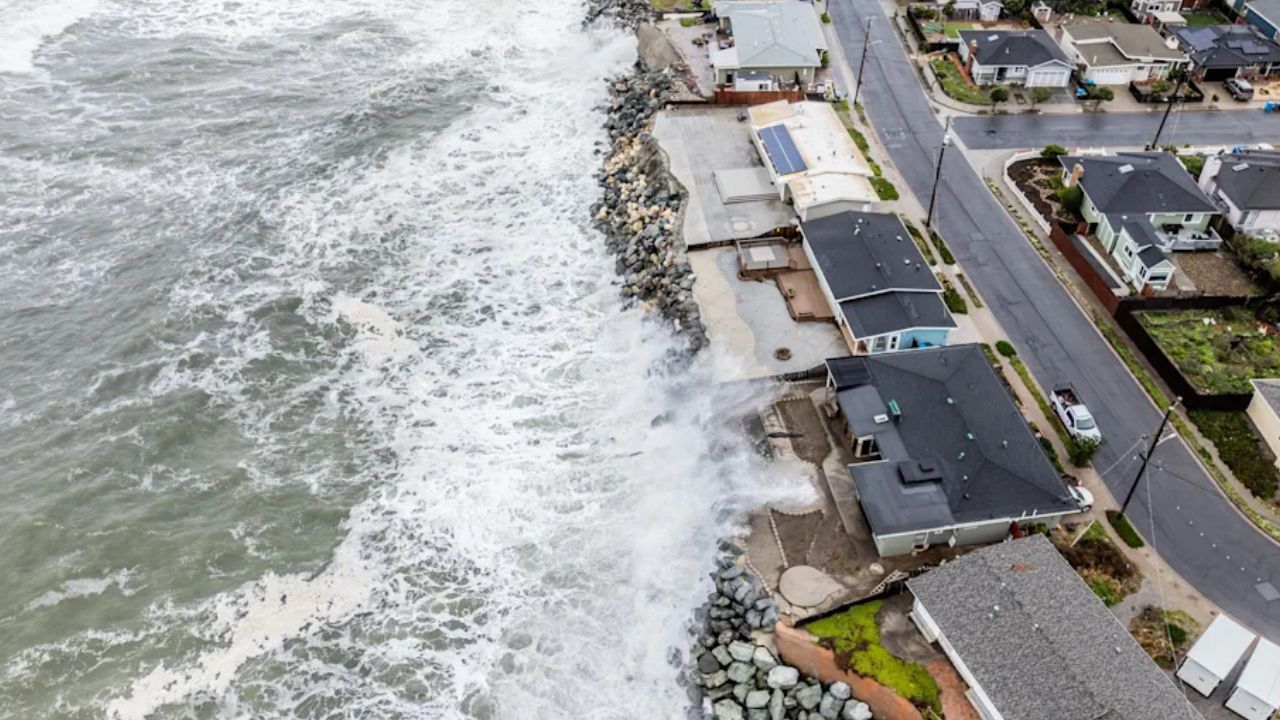
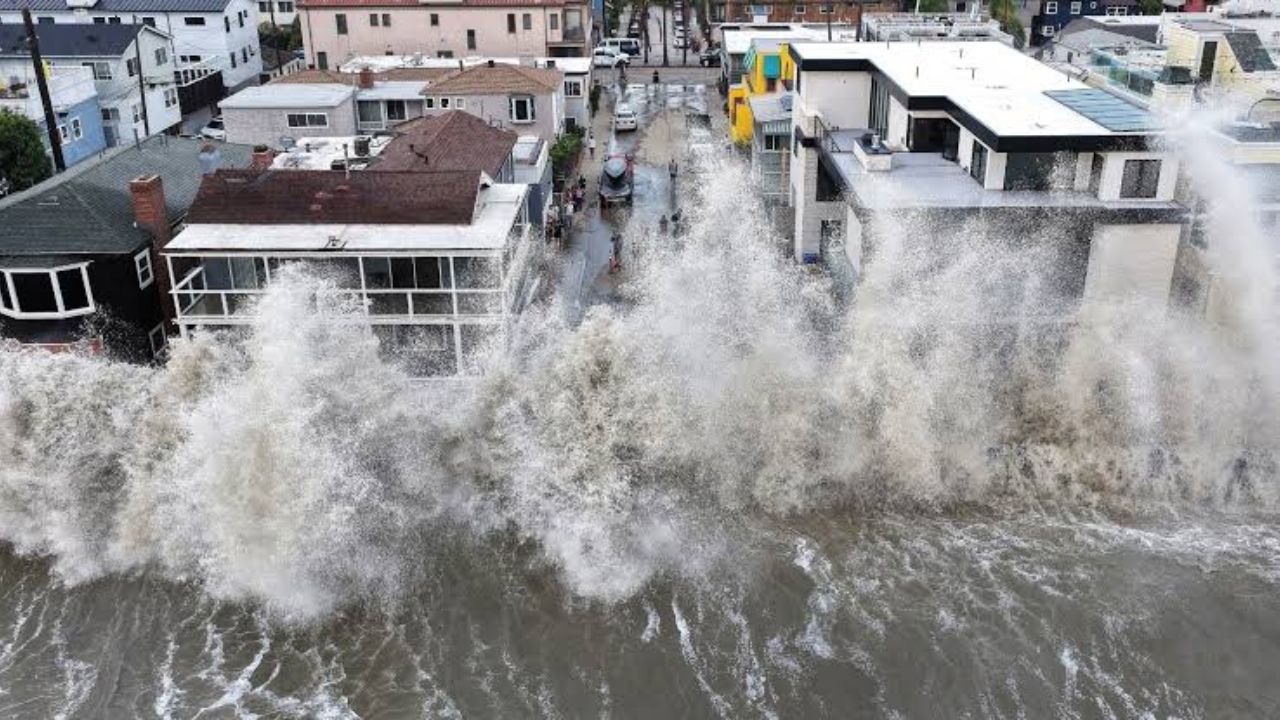
The earlier storm produced severe coastal impacts, including damaged homes, flooded coastal areas and significant beach erosion.
With another round of powerful swells now approaching, vulnerable beaches and properties could face additional damage.
The latest conditions also raise concerns about how much more stress the coastline can withstand as the region moves into a potentially active El Niño pattern.
Polo Could Move Toward Baja California
Hurricane Polo is expected to move northwest before turning more toward the northeast and approaching Baja California on Sunday.
Forecast guidance indicates that the storm could eventually move across parts of Arizona, New Mexico and Texas after reaching the Baja California region.
Southern California is not expected to receive a direct hit from Polo. However, the National Weather Service said there remains a 10% to 20% chance of some light rainfall reaching Southern California.
The larger concern for the Los Angeles area is the ocean. The National Weather Service cautioned:
“Polo will not be traveling directly over SoCal, but increasing surf and coastal flooding are likely,”
That means residents should not assume that sunny skies automatically mean safe beach conditions.
Dangerous Surf Could Peak Monday and Tuesday
The most hazardous conditions are expected Monday and Tuesday, when the hurricane-generated swells could coincide with high tides. That setup could increase the risk of coastal flooding while pushing waves farther onto beaches and vulnerable areas.
Strong rip currents are another major concern. Even experienced swimmers can have difficulty escaping powerful currents, particularly when large swells are arriving from multiple directions.
Beach erosion could also worsen as repeated waves pound sections of coastline that have already lost sand from previous storms.
Los Angeles Could Still See Sunny Weather
Interestingly, the dangerous ocean conditions are expected despite relatively calm weather over land.
Dangerous Weekend Weather Takes Shape as Hawaii and the Northeast Brace for Major Storms
The Los Angeles area is currently forecast to see mostly sunny conditions next week, with temperatures reaching the upper 70s and lower 80s.
That contrast could make the coastal danger easy to overlook.
The National Weather Service has issued a beach hazards statement, coastal flood advisory and high surf advisory because of the expected ocean conditions.
Residents and visitors heading toward beaches should therefore pay close attention to local warnings rather than relying only on the weather they see overhead.
El Niño Adds to Long-Term Coastal Concerns
The latest wave threat is also being viewed as part of a larger concern surrounding potentially record-breaking El Niño conditions.
Experts have warned that unusually warm ocean conditions can contribute to more significant coastal impacts when powerful storms generate large swells.
California Gov. Gavin Newsom has declared a precautionary state of emergency because of the powerful El Niño conditions, while several beach communities have also declared local emergencies following existing damage.
For Southern California, the immediate concern is now the arrival of another round of powerful waves.
Are you near the Southern California coast? How do you think the latest hurricane-generated swells could affect local beaches and coastal communities? Share your thoughts in the comments.