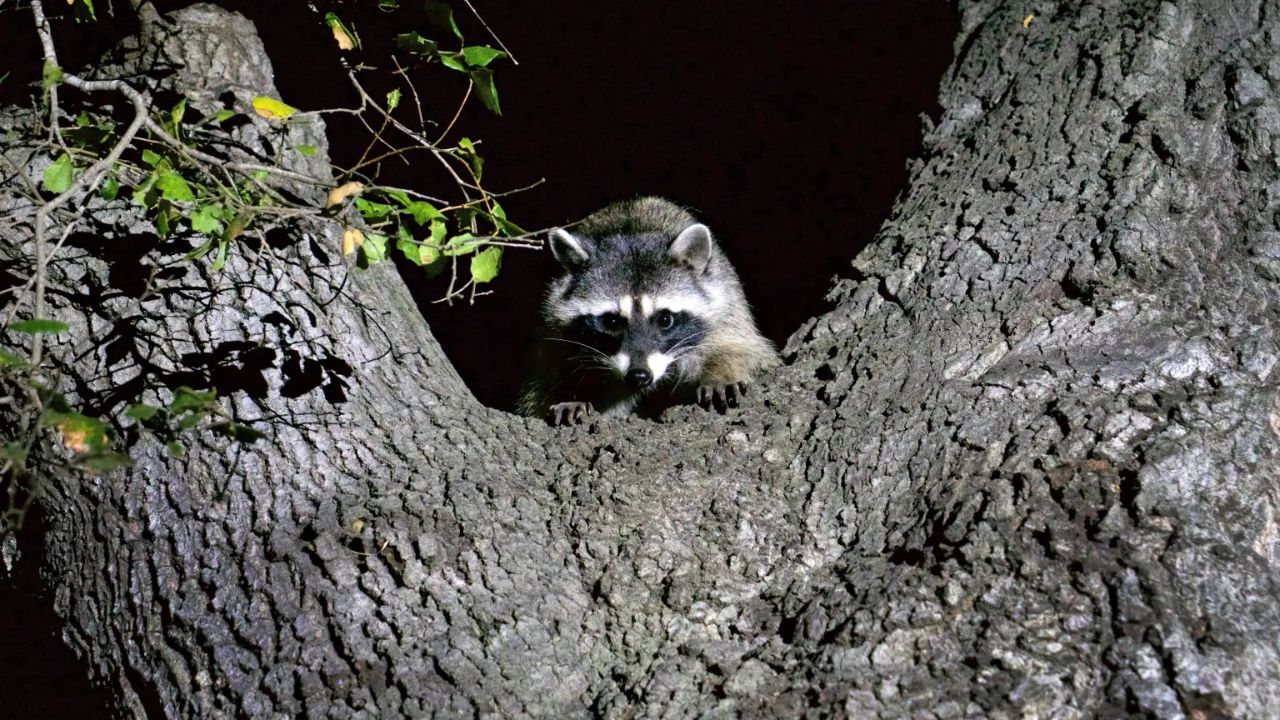
Westlake Village, California — Health officials are warning residents to stay away from wild animals after a second raccoon suspected of carrying rabies was discovered in the same Los Angeles County community within weeks of the area’s first confirmed raccoon case in more than 50 years.
The latest raccoon was found in a backyard in Westlake Village on Thursday. According to local officials, the animal appeared sick and aggressive, prompting renewed concerns about rabies in the area.
The discovery comes less than three weeks after another raccoon tested positive for rabies in the same community. Although no residents or pets were reported exposed to the latest animal, two people at a nearby worksite may have been exposed and are receiving recommended follow-up for rabies post-exposure prophylaxis.
Second Rabid Raccoon Found in Westlake Village
The first raccoon was discovered earlier in October in a backyard in Westlake Village. It appeared unwell but was not aggressive toward people, according to the Los Angeles County Department of Public Health.
The second animal displayed different behavior, appearing both sick and aggressive, officials said.
Testing confirmed that the first raccoon carried a rabies variant typically associated with bats. Test results for the newly discovered raccoon were still pending at the time of the report.
The two cases are unusual because raccoons have not historically been a common source of reported rabies in Los Angeles County. The first confirmed raccoon case in more than half a century prompted particular attention from local health authorities.
Following the latest discovery, public health officials went door to door in the neighborhood to alert residents and provide information about protecting themselves and their pets. The city of Westlake Village also shared a public warning on Instagram.
Two People May Have Been Exposed to Rabies
Officials said no residents or pets were exposed to the latest raccoon, but two people at a nearby worksite may have encountered the animal.
They are receiving recommended follow-up for rabies post-exposure prophylaxis, a series of medical treatments designed to prevent the disease from developing after a possible exposure.
Rabies is a viral disease that affects the central nervous system. Once symptoms appear, it is almost always fatal, making prompt medical assessment after a possible exposure essential.
Early symptoms can include fever and general discomfort. As the infection progresses, symptoms may include confusion, agitation and difficulty swallowing.
Anyone bitten or scratched by a potentially rabid animal should seek medical care immediately. People should also contact public health authorities for guidance if they believe they may have been exposed, even if the wound appears minor.
LA County Reports 77 Rabid Bats This Year
The raccoon discoveries come amid an increase in reported rabies detections among bats across Los Angeles County.
County officials said 77 rabid bats had been confirmed so far this year, describing the total as a record-breaking number.
Rabies in the region has historically been associated primarily with bats. Although the raccoon cases remain unusual, officials say the findings reinforce the need for caution around wildlife.
Rabies can be present in animals that appear sick, behave unusually or show unexpected aggression. However, not every animal acting strangely has rabies, and residents should avoid trying to approach or handle wildlife to determine whether it is infected.
Officials also noted that bats with rabies can be found throughout the year, even though detections typically peak in late summer.
What Residents Should Do to Stay Safe
Muntu Davis, a Los Angeles County health officer, urged residents not to touch, handle or feed wild animals, even when they appear injured or unwell.
“Always keep a safe distance from wildlife and contact your local animal control if you encounter an animal that appears to be sick, injured, or behaving unusually,” Davis said in a statement.
He also stressed the importance of keeping pets’ rabies vaccinations up to date so they are protected before a potential encounter.
Special Needs Students Take the Field as Long Island Soccer Coach Builds an Inclusive Program
Residents can reduce their risk by following several precautions:
- Never approach or handle wild animals, including raccoons and bats.
- Keep pets supervised and avoid allowing them to interact with wildlife.
- Make sure dogs and cats are current on their rabies vaccinations.
- Report animals displaying unusual behavior to local animal control.
- Seek immediate medical advice after a possible bite or scratch.
If a pet is bitten by a wild animal, owners should contact a veterinarian immediately and report the incident to animal control.
Why Rabies Exposure Requires Immediate Attention
Rabies is preventable when appropriate post-exposure treatment is administered promptly. Waiting for symptoms to appear can be dangerous because the disease is almost always fatal once clinical signs develop.
The city of Westlake Village emphasized that the detections remain rare but asked residents to remain informed, aware and cautious around wildlife.
The latest raccoon test results will help authorities determine whether the second animal was also infected. In the meantime, officials are encouraging residents to follow safety guidance and report potentially dangerous encounters.
Have you noticed raccoons or other wild animals behaving unusually in your neighborhood? Share your experience in the comments, and pass this safety warning along to friends and family in the area.