Florida — Hurricane Isaias slammed into the southeastern United States with destructive winds, torrential rain and tornadoes, leaving at least four people dead and hundreds of thousands of customers without electricity. The storm also made Atlantic hurricane history, breaking a 121-year-old record for the latest date in a calendar year that the basin produced its first hurricane.
Isaias rapidly strengthened over the Gulf of Mexico before reaching the Florida Panhandle on Friday night. Although the system has since weakened, its impacts continued to spread across parts of the eastern United States as recovery crews worked to restore power, clear debris and repair damaged infrastructure.
Isaias Becomes First Atlantic Hurricane of 2026
Eight named storms had formed in the Atlantic before Isaias, but none had reached hurricane strength. When Isaias intensified into a hurricane, it broke a record that had stood for 121 years for the latest first hurricane of an Atlantic season.
The storm strengthened rapidly over the Gulf, eventually reaching major Category 3 hurricane status on Friday. By the time it made landfall, however, it had weakened to a Category 2 hurricane.
Isaias came ashore near Destin, Florida, at approximately 8:30 p.m. CDT Friday, bringing destructive winds, heavy rainfall and storm surge to the western Panhandle.
A wind gust of 116 mph was reported near Santa Rosa Sound, highlighting the storm’s intensity as it moved across the coastline.
Storm surge reached 5.51 feet at Panama City Beach and 4.16 feet at Apalachicola. Rainfall totals also climbed above 8 inches in parts of the Panhandle, including 8.06 inches in Niceville.
Florida Communities Face Damage and Power Outages
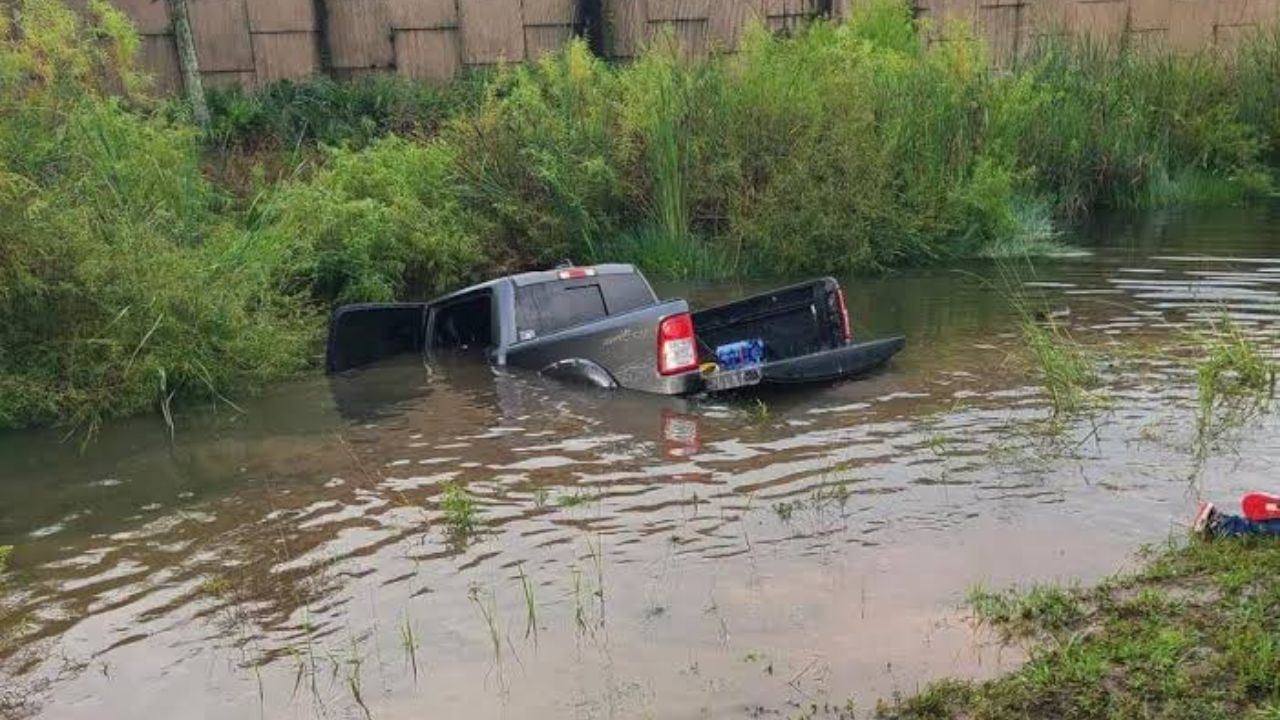
The storm left widespread damage across parts of the Florida Panhandle, with fallen trees, damaged buildings and disrupted utility services complicating recovery efforts.
At one point late Saturday morning, as many as 930,000 customers were without electricity. By the latest figures provided in the report, that number had fallen to approximately 427,000 nationwide, including 319,483 in Florida.
Despite the improvement, many residents faced the possibility of prolonged outages as utility crews worked to assess damage and restore service.
AccuWeather storm chaser Aaron Jayjack, who was in the Panhandle for landfall, witnessed the extent of the blackout while traveling away from the hardest-hit areas.
Some water systems also experienced service disruptions. Boil-water notices remained in effect for several Florida Panhandle communities as officials worked to address storm-related damage and restore normal operations.
At least four storm-related deaths had been reported as of Sunday morning, although the information provided did not include a complete breakdown of the circumstances surrounding those fatalities.
Family’s Last-Minute Evacuation Avoids Potentially Dangerous Situation
For Laura Dean and her family, the storm’s destruction underscored the importance of their decision to evacuate.
Dean had planned to shelter at a waterfront condominium in Pensacola Beach with her 89-year-old father and her son. However, after officials urged residents to leave, the family changed its plans at the last minute.
Hours later, Isaias tore through the property, ripping apart a wall of windows and heavily damaging the upper floor.
Their experience illustrated how quickly conditions can deteriorate during a hurricane, particularly in coastal areas exposed to powerful winds and storm surge.
Even residents whose homes escaped major structural damage continued to face difficult conditions as widespread electricity outages affected communities throughout the region.
Tornadoes Strike Georgia and South Carolina
Isaias also generated tornadoes as it moved inland, creating additional hazards beyond the immediate coastline.
One tornado was captured on video crossing a highway near Newington, Georgia. Another long-lived tornado tracked through parts of Allendale and Barnwell counties in South Carolina.
Preliminary reports from South Carolina included damage to a manufactured home and snapped power lines. No injuries had initially been reported in connection with those incidents.
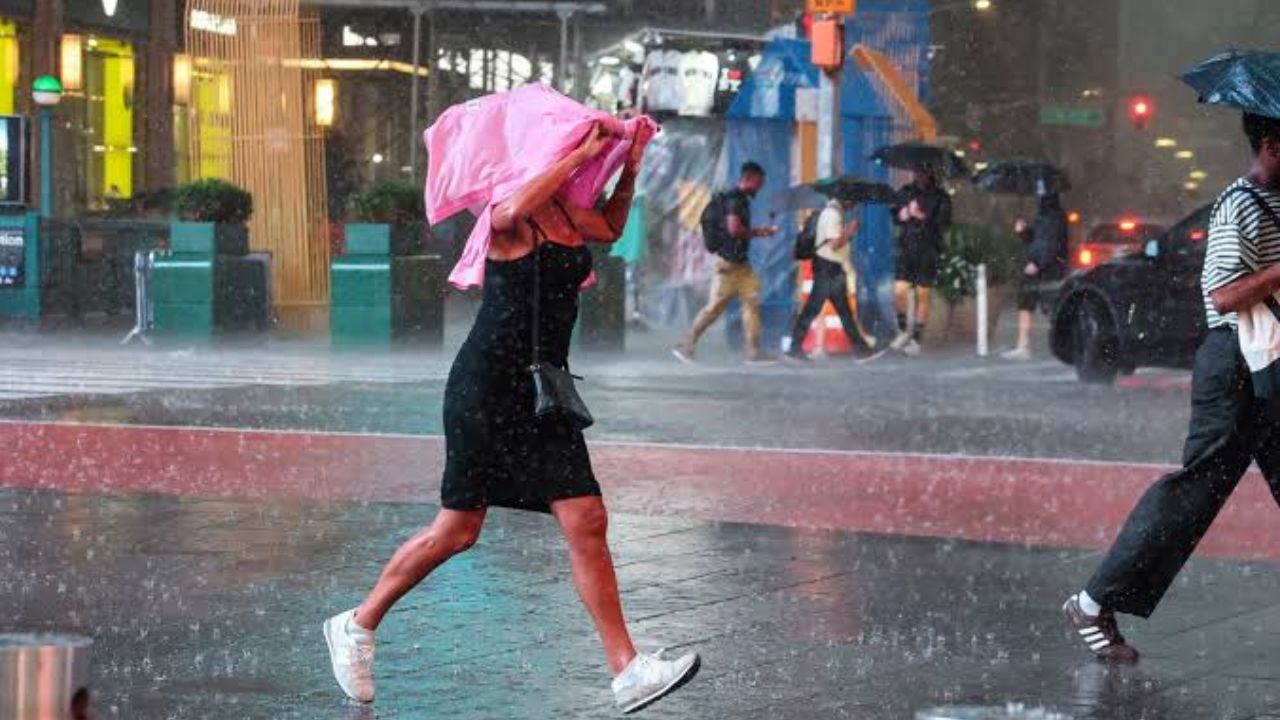
By Sunday morning, thunderstorms and rain were affecting parts of the Carolinas and the mid-Atlantic. A tornado watch had also been issued for portions of North Carolina and South Carolina as storms developed on the southern side of the weakening system.
Although Isaias was no longer classified as a hurricane in the supplied report, gusty winds and additional rainfall continued to threaten communities farther north.
More Severe Weather Threatens Parts of the East
As Isaias moved away from the Southeast, its remaining rain bands and gusty winds spread across a wider area of the eastern United States.
Residents in affected areas faced the risk of localized flooding, hazardous travel and further disruptions as storms continued to move through the region.
Recovery operations remained a priority in Florida, where utility crews and local authorities were working to restore services and clear damaged infrastructure. The full extent of the damage was still being assessed.
Isaias Part of a Volatile Weekend Across North America
The Atlantic hurricane was not the only major weather event affecting North America over the weekend.
Tropical Storm Rachel brought heavy tropical rainfall to Southern California and other parts of the Southwest. Tropical storm watches were issued for Southern California for only the second time in the region’s history, according to AccuWeather Vice President of Forecast Operations Dan DePodwin. The previous occasion was in 2023 ahead of Hurricane Hilary.
Meanwhile, Hurricane Simon strengthened into a Category 4 storm in the eastern Pacific as it headed toward Mexico.
A magnitude 7.7 earthquake in Panama also triggered a tsunami threat. It was reported as the third-strongest earthquake recorded worldwide so far in 2026.
For the Southeast, however, the immediate challenge remained recovery from Isaias. With hundreds of thousands of customers still without electricity and infrastructure repairs underway, the storm’s effects were expected to linger beyond its passage through Florida.
Did Hurricane Isaias affect your area, or are you still dealing with power outages and storm damage? Share your experience in the comments.