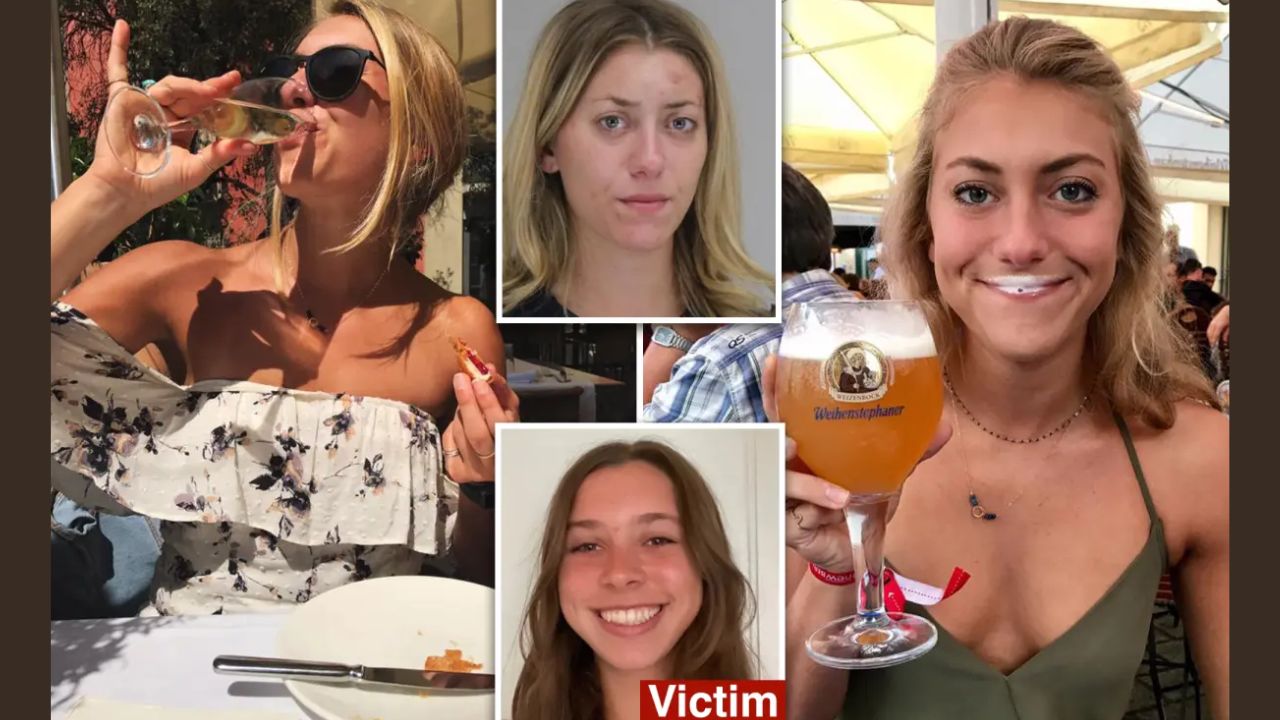
Dallas, Texas — A Texas driver accused of killing a 19-year-old Southern Methodist University student in a 2023 crash had a blood alcohol concentration nearly four times the legal driving limit, according to testimony from a toxicology expert during her trial.
Lynlee Pollis is accused of driving at nearly twice the posted speed limit before running a red light and crashing into a vehicle driven by SMU student Honor Wallace in September 2023.
Pollis was hospitalized following the crash. According to testimony presented Thursday, testing conducted hours after the collision showed her blood alcohol concentration was 0.294%, while the legal limit for drivers in Texas is 0.08%.
Toxicology Expert Details Alcohol Level
Toxicology chemist Brittany Welch testified about Pollis’ blood alcohol results during the trial.
According to Welch, reaching a BAC of 0.294% would likely have required Pollis to consume approximately six to 11 standard alcoholic drinks, or roughly three to five larger drinks or doubles.
The testimony has become a central part of the prosecution’s case as prosecutors argue that alcohol played a significant role in the deadly crash.
Pollis’ defense attorneys, George Milner and Scott Palmer, have challenged the reliability of the blood evidence. They questioned witnesses about how Pollis’ blood was collected, handled and stored, arguing that the evidence may have been tainted.
The defense has acknowledged that Pollis was speeding and ran the red light. However, her attorneys dispute that she was intoxicated at the time of the crash.
Witnesses Describe Different Signs of Intoxication
The courtroom has also heard testimony that prosecutors and defense attorneys interpret differently.
Pollis was reportedly described after the crash as having “glassy eyes, slurred speech, and an odor of alcoholic beverage,” according to previous reporting.
However, bodycam footage shown to jurors reportedly showed Pollis standing without difficulty and speaking without slurred speech.
Several witnesses also testified that they did not smell alcohol on Pollis.
Those conflicting accounts are expected to be important as jurors consider the prosecution’s allegations and the defense’s challenges to the blood evidence.
Crash Happened in a 35 MPH Zone
Additional testimony focused on Pollis’ speed immediately before the collision.
Collision Safety Institute director Rusty Haight testified Friday that Pollis was traveling at approximately 63 mph before accelerating to 67 mph as she approached the intersection of Monticello Avenue.
The posted speed limit at the intersection was 35 mph.
Texas Siblings Arrested After Argument Over Grapes Escalates Into Alleged Attack and Death Threat
Haight also testified that the traffic light facing Pollis had been red for approximately five to seven seconds before the collision occurred.
Wallace, meanwhile, was traveling through the intersection with a green light when the two vehicles collided. The force of the crash briefly sent Wallace’s vehicle airborne.
Wallace Was Killed at the Scene
Wallace was pronounced dead at the scene following the collision. Her passenger, who was in the vehicle with her, suffered a broken collarbone. Pollis was also injured in the crash and suffered a fractured ankle, according to testimony and reporting from the proceedings.
The deadly collision occurred three years ago, but the case is now being presented to jurors as Pollis faces serious criminal charges.
Pollis Faces Two Serious Charges
Pollis has been charged with intoxication manslaughter and intoxication assault.
The manslaughter charge stems from Wallace’s death, while the assault charge concerns the passenger who was seriously injured in the collision.
Her trial began Monday, with prosecutor Lauren Black telling jurors during opening statements that Pollis’ blood alcohol level was “well over” the legal limit. If convicted, Pollis faces up to 20 years in prison for intoxication manslaughter and up to 10 years for intoxication assault.
The defense continues to challenge the blood evidence and the prosecution’s characterization of Pollis’ condition, while prosecutors are presenting toxicology and crash-reconstruction testimony to support their case.
The trial remains ongoing, and the competing testimony surrounding Pollis’ alcohol level, behavior and the circumstances of the crash will be considered by the jury.
What do you think about the testimony and evidence presented in this case? Share your thoughts in the comments as the trial continues.
One thought on “19-Year-Old College Student Killed in Dallas Crash as Driver’s BAC Was Nearly Four Times Legal Limit”