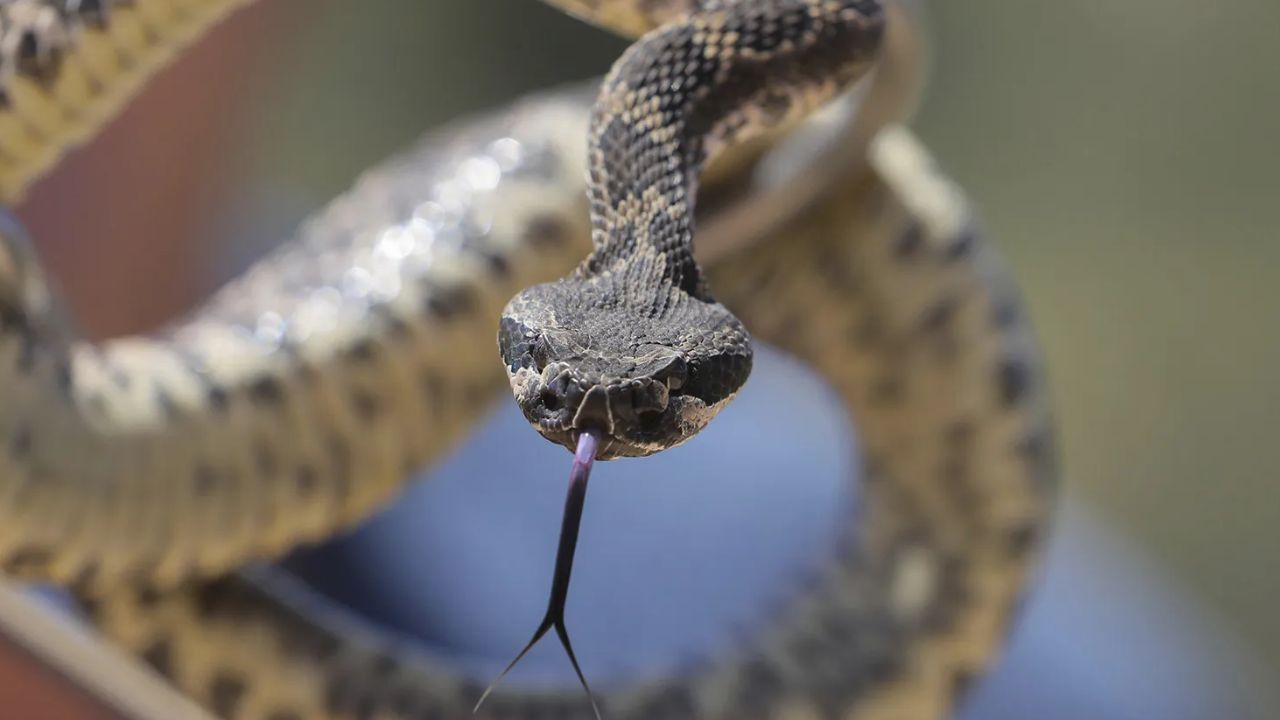
Crystal Cove, California — Beachgoers at a popular Southern California shoreline are being urged to stay alert after another rattlesnake was spotted moving in and out of the waves, marking the second reported rattlesnake sighting at the beach in roughly a month.
The latest encounter happened at Crystal Cove State Beach in Orange County on Sunday evening, Sept. 20, when visitor Cristiano Salgueiro captured video of the snake near sunset.
Salgueiro described the rattlesnake as repeatedly moving into and out of the water, appearing almost as though it were playing in the surf. He shared the sighting as a warning to other visitors who may not expect to encounter a venomous snake along the shoreline.
Second Rattlesnake Sighting in About a Month
The latest sighting is not the first time a rattlesnake has surprised visitors at Crystal Cove this summer.
In August, stand-up comedian and television host Nicky Paris filmed another rattlesnake at the same beach. Paris later shared the encounter on Instagram, saying he felt something “tickle” his toe in the water before seeing the snake emerge from the surf.
The rattlesnake then crawled past his sandals before making its way toward the hills.
The two incidents have drawn attention because rattlesnakes are much more commonly associated with the hills and trails surrounding Crystal Cove than with the ocean itself.
For beach visitors, seeing one moving across the sand is already unusual enough. Watching one enter the waves makes the encounters even more startling.
Officials Say It Is Snake Season
State park officials have reminded visitors that snake season is currently underway.
Rattlesnakes are native to Southern California and can be found throughout areas surrounding Crystal Cove. Officials also emphasize that the snakes generally do not bite unless they feel threatened or are provoked.
That makes awareness especially important for people hiking near the beach, walking through vegetation or exploring rocky and brush-covered areas.
Beachgoers who encounter a rattlesnake are advised to give it plenty of space and avoid attempting to touch, move or otherwise disturb it.
The unusual surf sightings also serve as a reminder that wildlife encounters can happen in unexpected places.
Southern California Coast Has Seen More Unusual Wildlife
The rattlesnake sightings are part of a broader series of unusual wildlife appearances along the Southern California coast in recent weeks.
Earlier in September, a venomous yellow-bellied sea snake washed ashore at Crystal Cove, creating another unexpected encounter for visitors.
Then on Sept. 16, an olive ridley sea turtle was seen digging a nest and laying eggs near Seal Beach in Orange County.
The nesting event was particularly notable because it marked the first recorded olive ridley sea turtle nest on a Southern California beach.
Together, the unusual sightings have brought renewed attention to the diverse wildlife found along the region’s coastline.
What to Do After a Rattlesnake Bite
Although most people who encounter rattlesnakes will never be bitten, knowing what to do in an emergency can be critical.
The California Department of Fish and Wildlife recommends staying calm while seeking medical attention as quickly as possible if someone is bitten.
People should remove rings, watches, bracelets or other items that could become constrictive as swelling develops.
Officials specifically warn against several commonly suggested remedies. Do not apply a tourniquet, pack the bite with ice or attempt to suck venom from the wound.
Travel Alert Issued for Americans as Category 5 Hurricane Polo Explodes Near Mexico
Instead, the priority should be getting the victim to the nearest medical facility as quickly and safely as possible.
Beachgoers Urged to Stay Aware
The latest Crystal Cove encounter does not mean visitors should avoid the beach, but it does highlight the importance of paying attention to surroundings.
A rattlesnake moving through sand, rocks or shallow water can be difficult to notice, particularly around sunset when the latest sighting occurred.
Have you ever encountered a rattlesnake or another unexpected wild animal at the beach? Share your experience in the comments and let us know what happened.