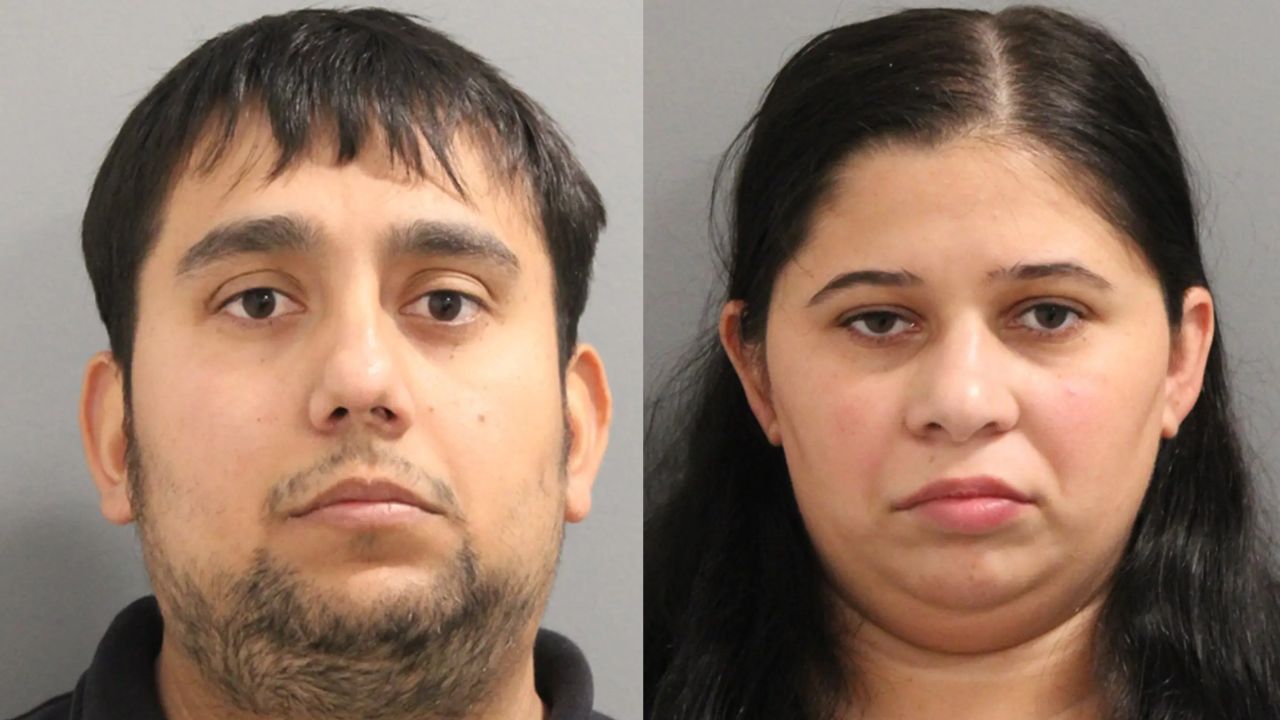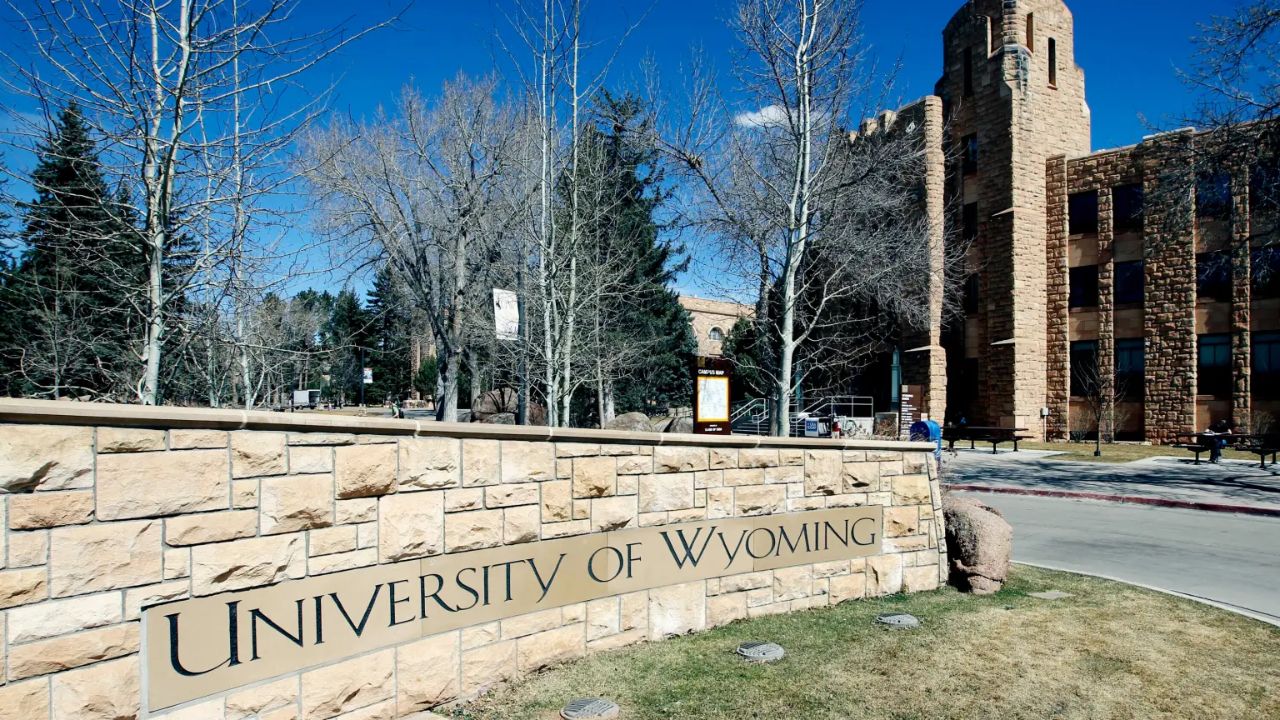
Laramie, Wyoming — A University of Wyoming graduate student has been accused of poisoning a colleague’s tea with a toxic chemical, leaving the researcher with ongoing health problems, according to court documents and statements cited by The Associated Press.
Aili Wang, 32, was arrested on October 6, 2026, at Los Angeles International Airport after prosecutors alleged she was attempting to leave the United States for China. Investigators reportedly found multiple laptops, digital storage devices, accessories and written materials in her possession.
Wang faces a felony aggravated assault and battery charge in Wyoming. She remains in custody in Los Angeles, and the allegations against her have not been proven in court.
How the Wyoming University Poisoning Investigation Began
The investigation started after a fellow graduate student, identified in court documents as “K.T.,” developed unexplained health problems. The researcher, who specialized in technology for disease treatment, reportedly experienced extreme tiredness, difficulty sleeping, tingling and numbness in his fingers, and weakness in his legs.
According to his supervising professor, Mark Gomelsky, the symptoms began after the student attended a prestigious conference in August. The professor also noticed an unusual taste in tea prepared using a small coffee maker in the shared office.
Gomelsky said the strange taste disappeared when he cleaned the appliance but later returned, raising concerns about possible contamination.
The victim’s wife and others subsequently tested water from the coffee maker. A chemistry professor helped identify acrylamide, a chemical that can be toxic at sufficiently high exposures.
According to the affidavit, the individuals isolated approximately 63 milligrams of white powder from the water, and testing indicated that it contained acrylamide. The sample was eventually turned over to university police.
Surveillance Footage Raises Questions About the Suspect
After the suspected contamination was identified, the graduate student and campus police reportedly arranged surveillance cameras in the office space shared by Wang and the alleged victim.
A campus police affidavit states that Wang was recorded going through the other student’s desk on September 27.
On October 1, she was allegedly recorded taking photographs and handling notebooks on his desk. The affidavit also alleges that she rinsed out his mug using liquid from her own mug.
Investigators reportedly found these actions suspicious because the two graduate students did not get along and worked in different research areas.
During an interview with campus police on October 5, Wang allegedly said she had not used acrylamide in years.
Authorities also alleged that she purchased the chemical twice through eBay during the previous summer and later asked the online marketplace to delete her account.
The allegations form part of the investigation, and the available information does not establish Wang’s guilt.
Dispute Over Research and Patent-Pending Work
The alleged victim was working on federally funded research involving new technology for treating cancer, neurological conditions and genetic diseases, according to the affidavit.
Gomelsky told that the researcher had achieved significant success in developing a method for delivering RNA into human cells using bacteria.
The professor also said Wang had failed her first attempt to defend her dissertation and had become envious of her colleague’s progress. These statements describe the professor’s account of the circumstances; investigators have not established a motive through a court verdict.
Tak Sumaya, an assistant professor who helped identify the chemical in the coffee maker water, said the substance raised suspicions because it was not expected to be present in that quantity in the setting.
Sumaya also said Wang had photographed pages from the alleged victim’s notebook. The affidavit states that investigators found no apparent reason for her to access the other student’s desk.
The research dispute is one aspect of the case that investigators are examining as they work to establish what happened and why.
Arrest at Los Angeles Airport and $1.5 Million Bond
Wang was arrested at Los Angeles International Airport on October 6. Prosecutors alleged she was preparing to return to China when authorities took her into custody.
The arrest came one day after her interview with campus police. According to a request submitted by Wyoming prosecutors, officers found multiple electronic devices and physical records in her possession.
Albany County Circuit Court Judge Robert Sanford subsequently granted prosecutors’ request to increase Wang’s bond from $200,000 to $1.5 million in cash.
Authorities have not established when she will be extradited to Wyoming to face the charge.
If convicted of felony aggravated assault and battery, Wang could face up to 10 years in prison and a $10,000 fine, according to the reported charge and potential penalties.
Professor Says Researcher May Not Fully Recover
The alleged victim continues to experience symptoms, according to Gomelsky. These reportedly include difficulty concentrating, fatigue and reduced sensation in his left hand.
The professor expressed concern about the researcher’s long-term recovery, saying the incident had been one of the most distressing experiences of his professional career.
Acrylamide is best known as a substance that can form when certain starchy foods are cooked at high temperatures. It is also used in scientific research involving proteins and DNA. Exposure to sufficiently high levels can cause serious toxic effects, including neurological harm.
The extent of the alleged victim’s exposure and the long-term medical outlook have not been fully established in the publicly reported information.
1-Year-Old Baby Killed After NYC Driver Allegedly Runs Stop Sign With Cocaine in His System
What Happens Next in the Case?
The investigation now centers on the chemical allegedly found in the coffee maker, surveillance footage, reported online purchases and other evidence collected by authorities.
Prosecutors must establish the allegations through the legal process, while Wang retains the presumption of innocence unless proven guilty.
The case has also raised concerns within the university community, particularly because the alleged victim’s research focused on potential treatments for serious diseases.
As proceedings continue, further court filings may clarify the evidence, the alleged motive and the timeline for Wang’s return to Wyoming.
What do you think universities should do to protect researchers when suspected poisoning or other serious threats emerge on campus? Share your thoughts in the comments below.