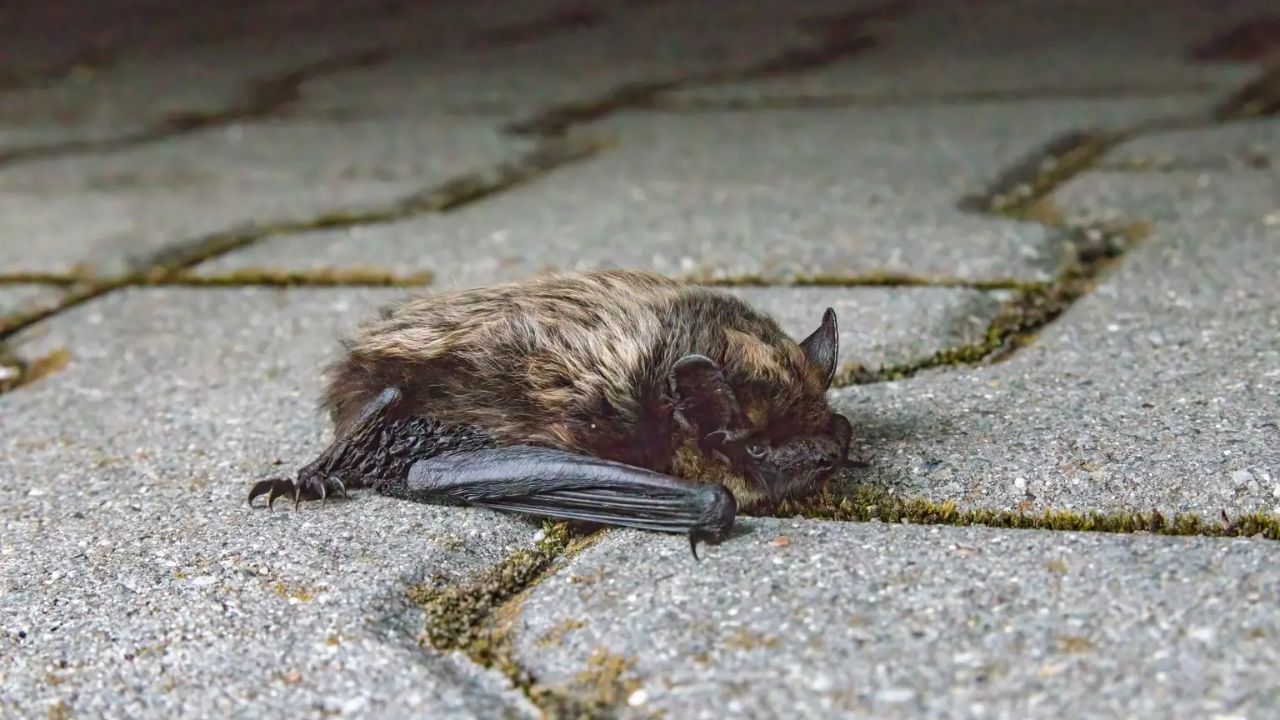
Minneapolis, Minnesota — A woman who touched and handled a rabid bat found struggling on a city sidewalk has been located after health officials launched an urgent search to determine whether she needed medical treatment for potential rabies exposure.
The Minnesota Department of Health said the bat was discovered around noon last Tuesday on Hennepin Avenue. The animal was struggling on the sidewalk before eventually dying and being submitted for testing.
Laboratory results later confirmed that the bat tested positive for rabies, prompting officials to search for anyone who may have had direct contact with it.
Health Officials Searched for the Woman
Authorities said a woman was seen crouching near the bat and placing the animal into a bag.
Officials described her as a white woman between 25 and 30 years old with curly brown hair, and said she was accompanied by a dog resembling a golden retriever.
After placing the bat in the bag, the woman reportedly handed it to the person who ultimately brought the animal in for rabies testing.
Because the bat was later confirmed to have rabies, health officials needed to identify the woman as quickly as possible so she could be assessed by a medical professional.
The Minnesota Department of Health said the woman eventually contacted authorities Monday afternoon, six days after the bat was initially discovered.
Her decision to come forward allowed officials to directly address whether she had experienced an exposure requiring medical care.
Bat Bites Can Be Nearly Impossible to Notice
Health officials are particularly concerned about bat encounters because bites and scratches can be extremely small and difficult to detect.
A person may not immediately realize that a bat has bitten or scratched them, especially if the contact occurred while handling an injured or dying animal.
Anyone else who may have touched the rabid bat should contact a health care provider as soon as possible for an assessment.
Officials stressed that people who had no contact with the animal do not need to receive rabies shots simply because they were nearby.
“If you did not touch or have any contact with the bat, you have no risk of rabies and do not need shots,”
Rabies Can Become Fatal Without Treatment
Rabies is a viral disease that can spread to people and animals through bites or scratches from an infected animal. The disease requires urgent medical attention after a potential exposure because once symptoms begin, the illness is almost always fatal.
However, prompt treatment following an exposure can prevent the virus from progressing.
The post-exposure treatment includes a series of rabies vaccines, with the standard regimen involving multiple doses. When administered appropriately before symptoms develop, treatment is highly effective at preventing the disease from becoming fatal.
That makes identifying possible exposures particularly important when a rabid animal has been handled.
Early Symptoms Can Be Difficult to Recognize
Rabies does not necessarily cause immediately obvious symptoms. Early signs can include fever, headache, irritability, double vision and unusual itching or pain around the exposure site.
As the infection progresses, it can develop into severe neurological disease affecting the brain and nervous system.
Once clinical symptoms appear, treatment options become extremely limited, which is why health authorities emphasize seeking medical evaluation before symptoms develop after a possible exposure.
Officials Warn Against Handling Bats
The Minneapolis incident also highlights the risks of attempting to help bats that appear injured or sick.
Although a person may be trying to rescue an animal found on the ground, direct contact can create a potential rabies exposure if the bat is infected.
Health authorities generally recommend avoiding direct contact with bats and contacting animal-control or public-health professionals when an animal needs to be safely collected and tested.
The situation in Minneapolis began with a bat struggling on a busy street but quickly became a public-health concern after testing confirmed the animal carried rabies.
The woman involved has now been located, but officials are continuing to emphasize the importance of avoiding direct contact with bats and seeking medical advice after any possible exposure.
Have you ever encountered a bat that appeared injured or sick? Share your experience in the comments and let others know why avoiding direct contact with wild animals can be so important.