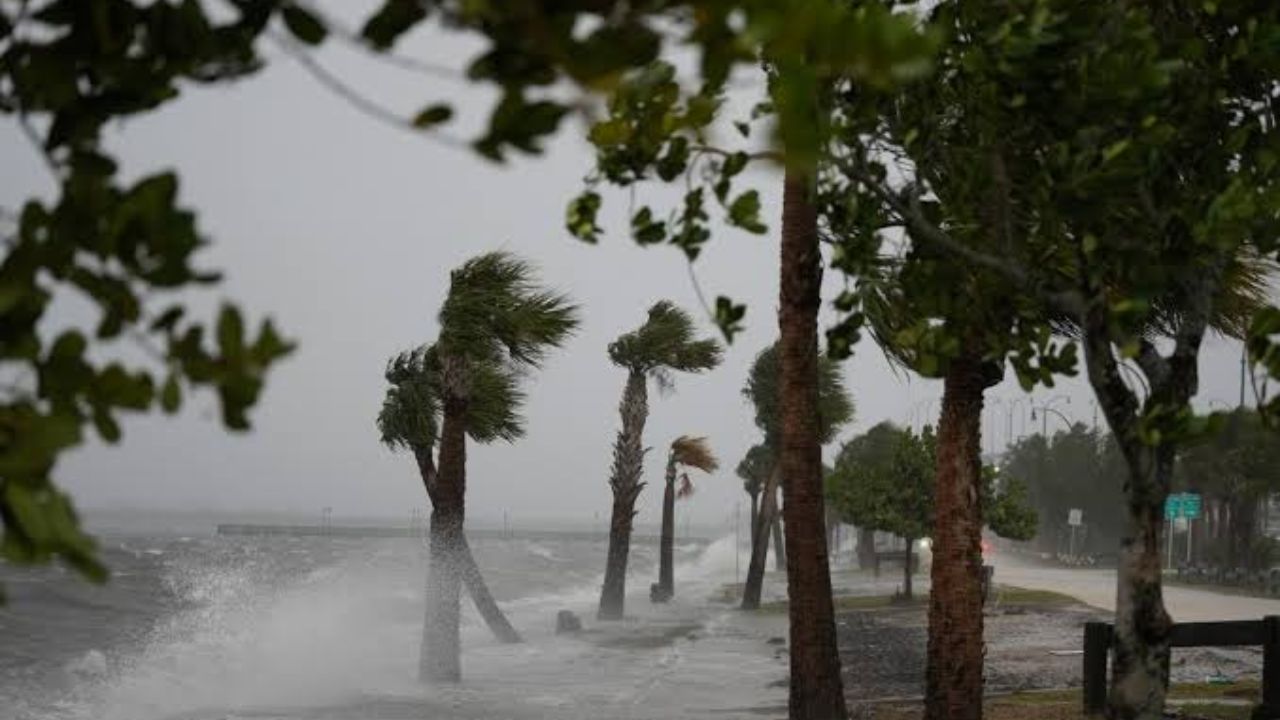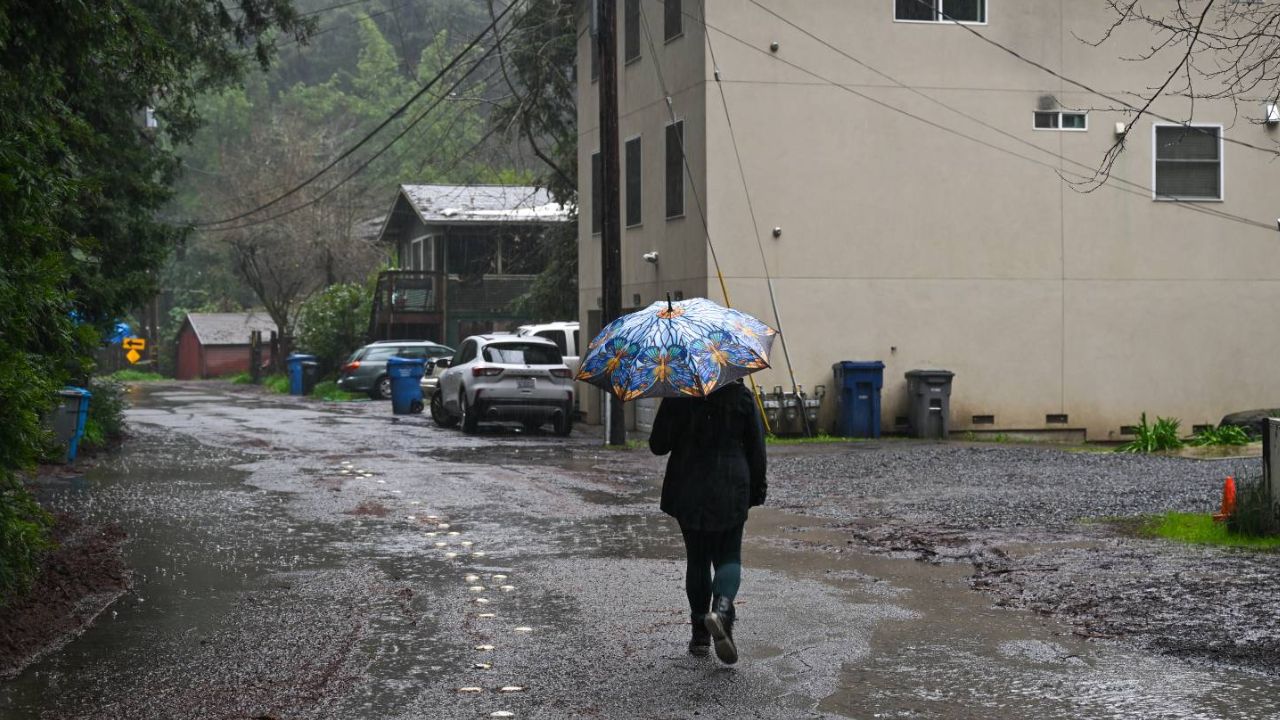
San Diego, California — Exceptionally high tides are pushing seawater onto roads, threatening coastal homes and disrupting communities from California to Florida as king tide flooding affects parts of the U.S. coastline.
The flooding comes as unusually high tides surrounding the Hunter’s Moon raise water levels along vulnerable shorelines. Videos from Southern California have shown floodwater reaching the doorsteps of multimillion-dollar homes, while parts of Florida have experienced water covering coastal roads.
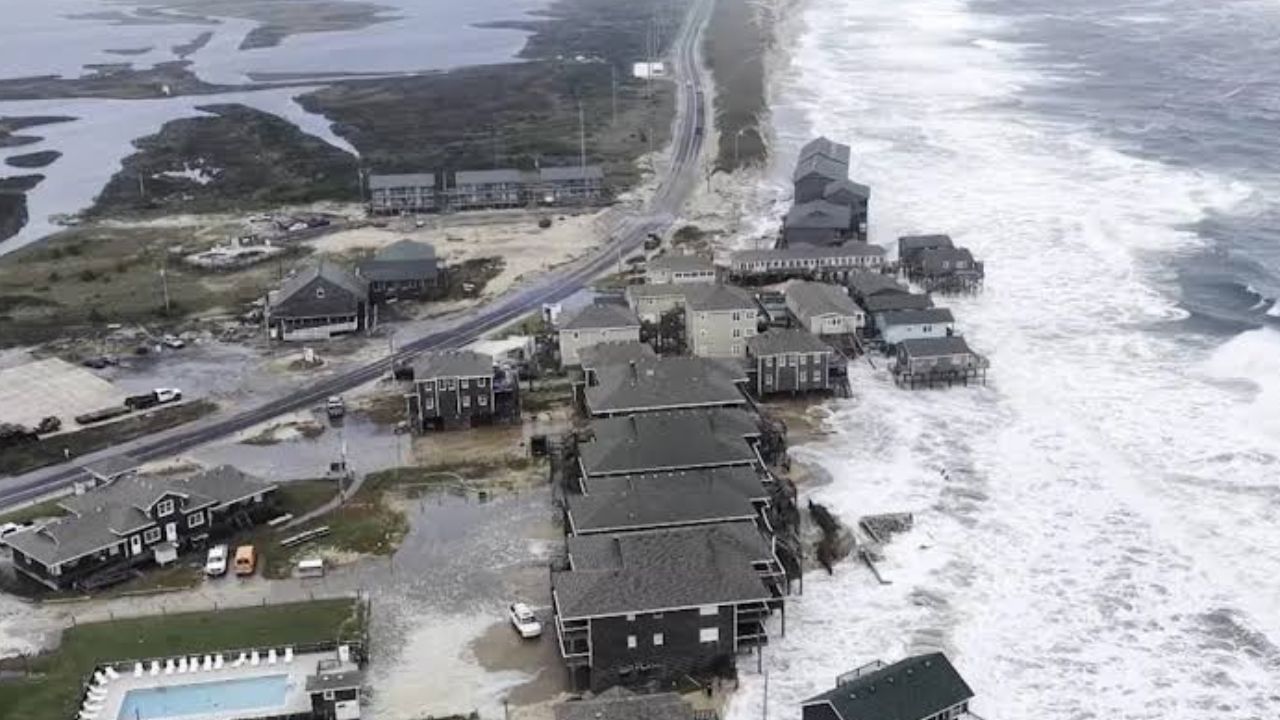
Flood concerns also extend to the Carolinas, where vulnerable roads, neighborhoods and weakened dunes face additional risks as high tides continue through the week.
Why Are King Tides Causing Coastal Flooding?
King tides are exceptionally high natural tides that occur when the positions of the Earth, moon and sun combine to produce higher-than-usual tidal ranges.
The recent Hunter’s Moon reached its full phase Sunday evening on the West Coast and shortly after midnight Monday in the East. During a full moon, the sun, Earth and moon align, strengthening the gravitational effects that contribute to higher high tides.
However, the moon is not the only factor affecting coastal water levels. Winds, atmospheric pressure and other ocean conditions can push water higher than astronomical tide predictions.
These combined effects have contributed to coastal flooding in several states, with some observed tides running significantly above expected levels.
Southern California Sees Water Reach Coastal Homes
Southern California has experienced some of the most striking effects of the current high-tide event.
In San Diego, the local tide gauge reached 8.14 feet, nearly 1.5 feet above the predicted level and just over an inch below the reported record of 8.26 feet.
Floodwater has also reached the doorsteps of expensive coastal homes, illustrating how unusually high water levels can affect properties close to the shoreline.
Coastal flood warnings for San Diego and Orange counties are scheduled to continue through 1 p.m. PDT Thursday, according to the information provided.
The National Weather Service has warned that late-morning high tides could inundate homes, businesses and critical infrastructure. Other potential impacts include road closures, shoreline erosion and flooding in low-lying areas.
Observed tides have been running approximately 1.5 to 1.7 feet above astronomical predictions, increasing concerns for coastal residents and businesses.
People traveling near the shoreline should monitor local advisories and avoid driving through flooded roads.
South Florida Faces Flooding Along Coastal Roads
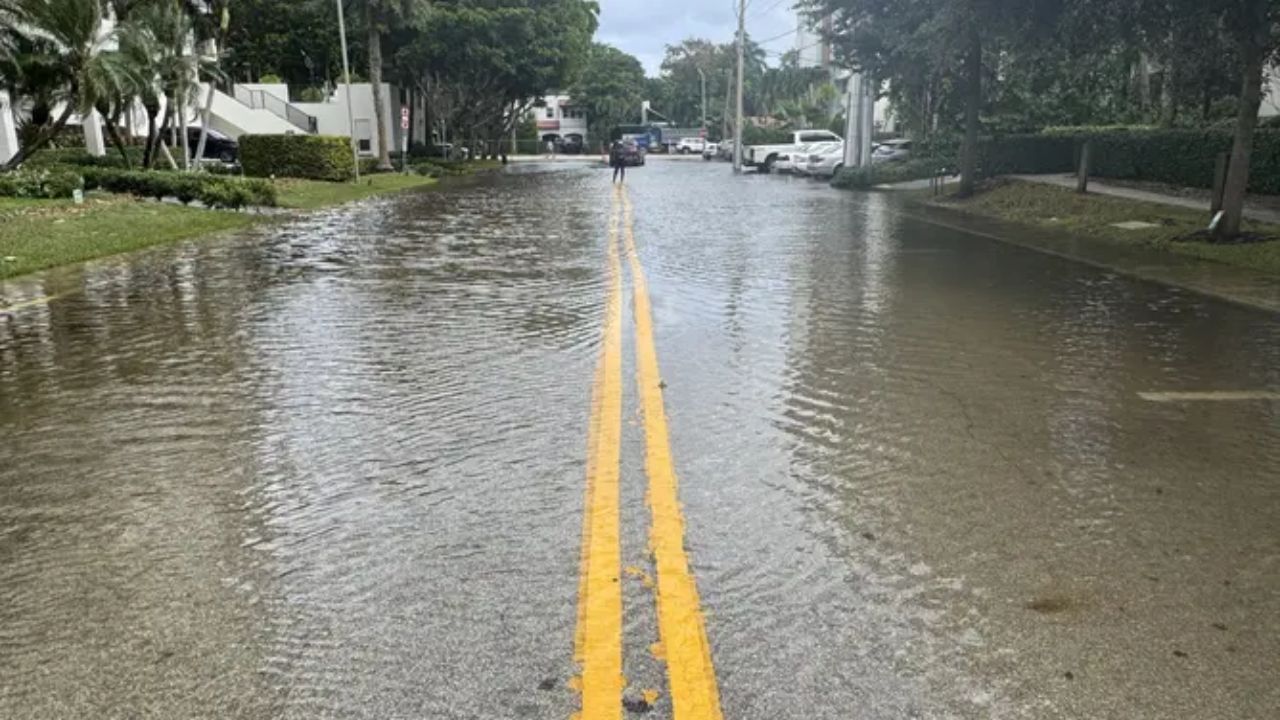
South Florida is also experiencing elevated coastal water levels, with flood concerns affecting Broward and Miami-Dade counties.
Coastal flood warnings are expected to remain in effect through Wednesday evening. Significant flooding could make some roads impassable and push saltwater into low-lying properties.
Video from Martin County showed water covering MacArthur Boulevard on South Hutchinson Island following Monday morning’s high tide.
Such flooding can disrupt everyday travel, affect access to coastal neighborhoods and expose properties to saltwater. Even when flooding is temporary, repeated high-water events can create additional challenges for communities already vulnerable to coastal inundation.
Residents in affected areas should check local forecasts before traveling and be prepared for changing road conditions around high tide.
Carolinas Prepare for More High-Tide Flooding
Farther north, coastal communities in North Carolina and other parts of the Carolinas are also facing flooding concerns. Advisories cover portions of the North Carolina coast through Thursday, with king tides expected to peak Tuesday and Wednesday.
On Hatteras Island, weakened dunes have left stretches of shoreline vulnerable to additional ocean overwash. When waves push seawater across dunes and onto land, water can reach roads and properties that would otherwise remain protected during ordinary high tides.
The combination of elevated water levels, exposed shorelines and weakened dunes could increase the risk of localized flooding.
Residents and visitors should pay attention to official warnings, particularly when traveling along low-lying coastal roads or visiting exposed beaches.
When Are the Next King Tides Expected in California?
The current flooding is not the only high-tide event coastal residents should watch. California officials have identified the following upcoming statewide king tide periods:
- November 24–26
- December 23–25
- January 21–22
These dates surround consecutive full supermoons, when the moon is near its closest approach to Earth. Such alignments can contribute to higher-than-usual tides, although actual water levels will also depend on local weather and ocean conditions.
Residents should remember that king tide dates indicate periods of potentially elevated tides, not a guarantee that every coastal location will experience flooding.
Checking local tide predictions alongside National Weather Service forecasts can help people understand when water levels may be highest in their communities.
Hawaii Faces Up to 8 Inches of Rain as Tropical Storm Olana Weakens Ahead of Halloween
California’s Long-Term Coastal Erosion Concerns
The latest flooding also highlights broader concerns about the future of California’s coastline.
A California state climate assessment warns that up to 75% of the state’s beaches could disappear by 2100 without intervention, according to the information provided.
Coastal erosion, rising sea levels and repeated flooding can gradually change beaches and shorelines. High-tide events offer a visible example of how water levels can affect coastal communities, although individual king tide events alone do not determine long-term beach loss.
As coastal hazards continue to receive attention, local planning, shoreline protection and updated flood preparedness measures remain important considerations for communities exposed to rising water levels.
What Coastal Residents Should Do Now
People living in flood-prone areas should monitor local weather alerts and tide forecasts, particularly during late-morning and other forecast high-tide periods.
Residents should avoid flooded roads, never assume standing water is shallow enough to cross, and follow evacuation or road-closure instructions issued by local authorities.
Those planning coastal trips should also check conditions before heading to beaches, waterfront roads or exposed shorelines.
With flood warnings continuing in parts of California and Florida and additional high tides expected along the Carolinas, conditions may change throughout the week.
Are king tides affecting your community? Share what you’re seeing along the coast, and let others know which roads or neighborhoods are experiencing flooding.