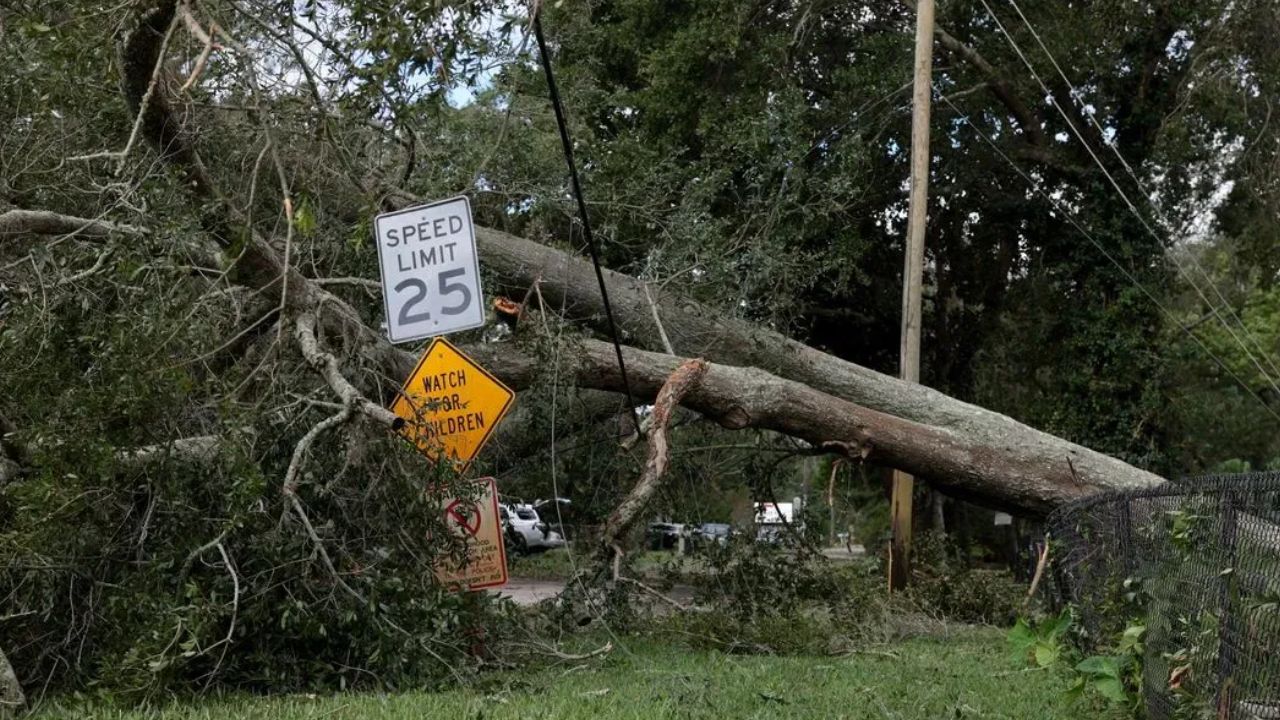
Alabama — Hurricane Isaias brought dangerous tropical-force winds and destructive weather across parts of the Southeast, leaving two people dead in Alabama, according to state and local officials. The storm also brought down trees and power lines, damaged property and prompted emergency declarations as authorities prepared for further impacts.
The storm’s effects extended beyond Alabama, with Florida also experiencing damage. Officials warned that heavy rainfall could threaten Georgia and the Carolinas, raising concerns about flash flooding as Isaias continued to affect the region.
Two Deaths Reported in Alabama
One of the reported fatalities occurred in Birmingham, where a falling tree struck a house during the storm. Birmingham Fire Chief Cory Moon confirmed that one person died in the incident.
A second death was reported in Barbour County. According to Josh Johnson of Alabama’s emergency management agency, the fatality resulted from a vehicle crash involving a downed tree.
The incidents underscored the dangers posed by powerful winds, falling trees and storm debris. Even when winds are not at hurricane strength, weakened trees and damaged roadways can create serious hazards for residents and motorists.
Authorities in affected communities faced the challenge of responding to storm-related emergencies while dealing with widespread damage.
Downed Trees and Power Lines Reported in Mobile
Mobile, along Alabama’s Gulf Coast, also experienced the effects of Isaias. Authorities reported numerous fallen trees and downed power lines as the storm moved through the area.
Downed electrical lines can create dangerous conditions, particularly when they are hidden by debris or standing water. Residents are generally advised to stay away from fallen wires and report them to the appropriate utility or emergency service.
Fallen trees can also block roads, damage homes and disrupt access for emergency crews. The full extent of the damage across the affected communities was not immediately clear from the information released.
Officials continued to assess the situation as communities dealt with the storm’s immediate consequences.
Federal Emergency Declaration Opens the Door to Aid
The federal government moved to support states affected by the storm. President Donald Trump approved an emergency declaration for Georgia, following similar declarations for Florida and Alabama.
These declarations allow federal assistance to support state and local emergency response efforts under applicable requirements. Such assistance can help authorities address urgent needs as they respond to dangerous weather and its aftermath.
The decisions came as officials monitored the storm’s effects across several states and prepared for the possibility of additional flooding and infrastructure damage.
Emergency declarations do not mean that all damage has been assessed or that recovery work is complete. The assistance available depends on the terms of the declarations and the needs identified by authorities.
Strategic Petroleum Reserve Release Authorized
In a separate response, the U.S. Department of Energy authorized emergency releases of crude oil from the Strategic Petroleum Reserve.
The move was intended to help offset supply disruptions associated with the storm. Severe weather can interfere with energy infrastructure, transportation and fuel distribution, creating concerns about supply availability.
The reserve is maintained to provide an emergency source of petroleum during significant supply disruptions. Its use is separate from disaster assistance for damaged homes, roads and other local infrastructure.
The authorization added an energy-supply component to the broader response to Isaias as officials worked to limit the storm’s wider effects.
Heavy Rain Could Bring More Flooding
The storm’s impacts were not limited to areas already reporting damage. The National Weather Service warned that Georgia and the Carolinas could experience heavy rainfall capable of triggering flash floods.
Powerful 7.7 Earthquake Strikes Panama, Triggering Tsunami Concerns Across 9 Countries
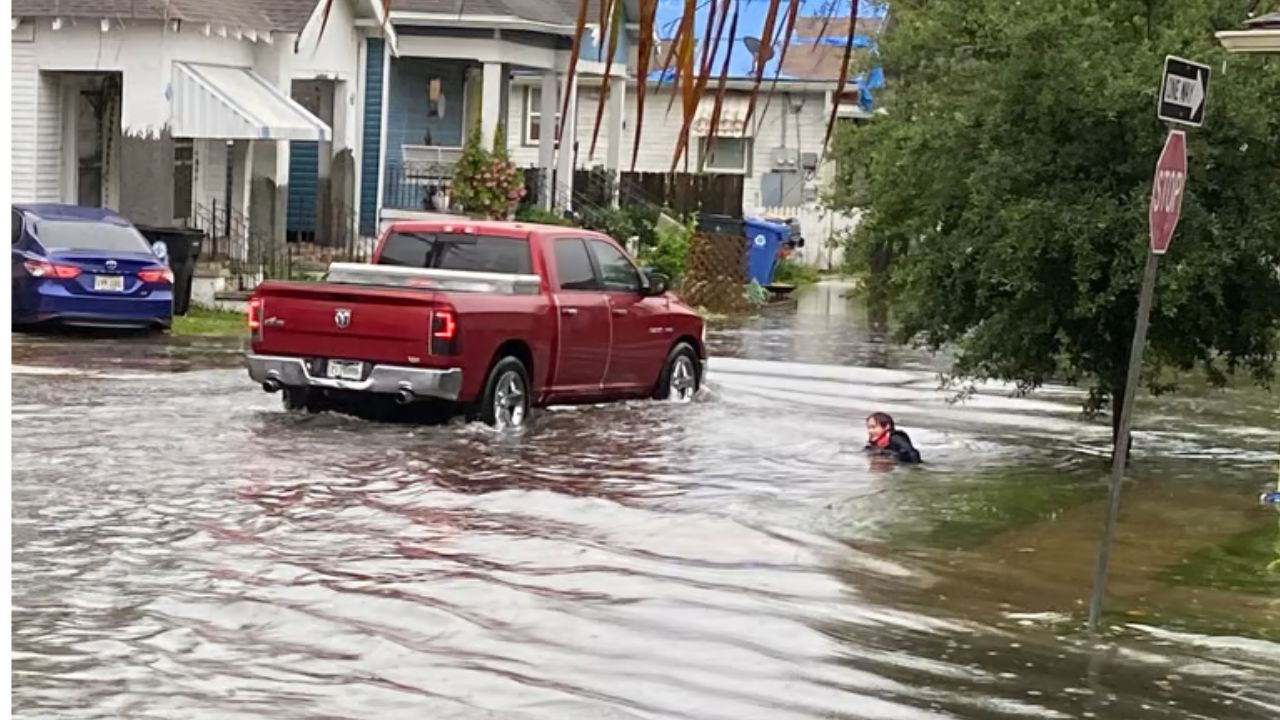
Flash flooding can develop quickly, particularly in low-lying locations, areas with poor drainage and places where rainfall overwhelms streams or drainage systems.
Motorists face particular risks when water covers roads because its depth and the condition of the roadway beneath it may be difficult to judge. Residents in threatened areas should follow local warnings and avoid driving or walking through floodwater.
Storm Damage and Recovery Efforts Continue
With fatalities reported in Alabama, damage reported in multiple communities and additional rainfall concerns across the Southeast, Isaias created a challenging situation for emergency officials.
The immediate priorities included responding to emergencies, assessing damaged infrastructure and preparing for possible flooding in other affected states. Federal emergency declarations and the authorized petroleum release represented separate efforts to address the storm’s consequences.
The complete scale of the damage and the extent of recovery needs were not established in the information available.
Have you experienced severe weather or storm damage in your area? Share what conditions have been like and what local officials are reporting in the comments below.


One thought on “Hurricane Isaias Leaves a Deadly Trail Across Florida and Alabama as Fallen Trees, Power Lines and Storm Damage Spread”