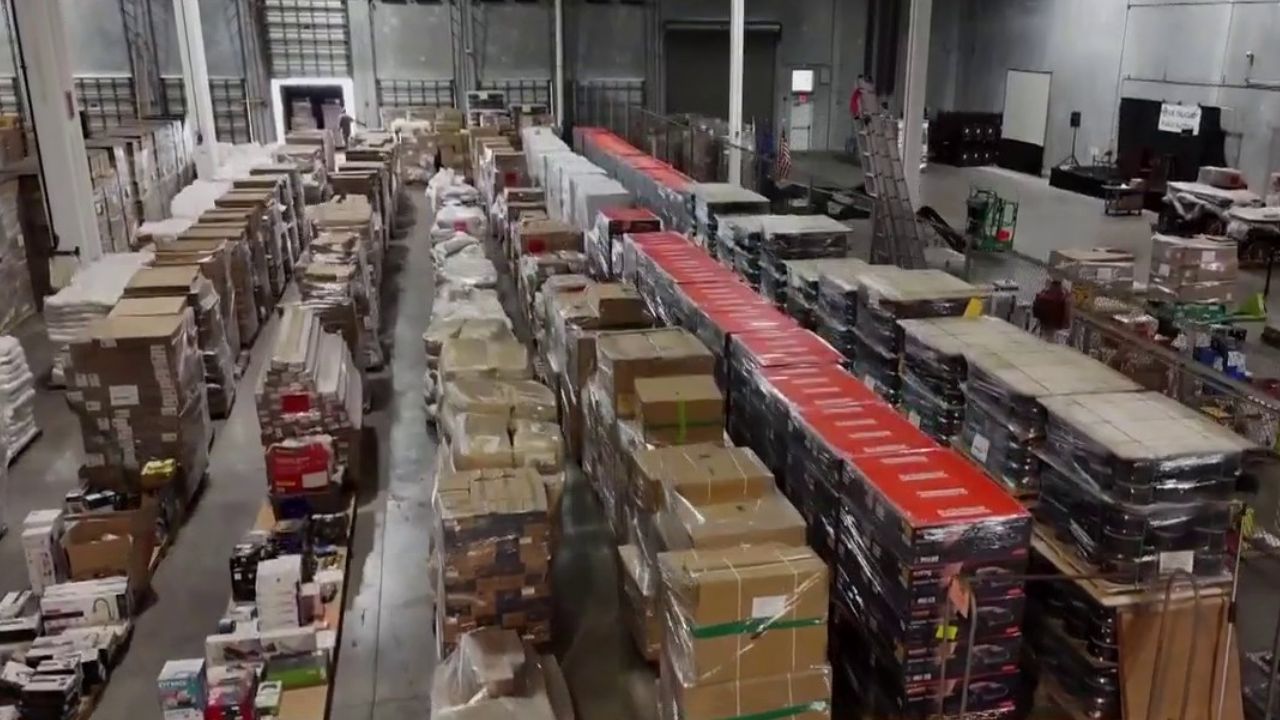
Miami-Dade County, Florida — Six shipping containers filled with kitchen cabinets illegally imported from China were seized at PortMiami, but instead of destroying the merchandise or sending it to auction, U.S. Customs and Border Protection found a way to put the items to use.
The cabinets are now being prepared for distribution to communities in need in Central America and Africa through a partnership between CBP and the nonprofit World Vision.
The unusual outcome came after customs officials determined that the shipment had allegedly been mislabeled in an effort to conceal its origin and contents.
Customs Seized the Cabinets After an Import Investigation
The six containers were recently seized by CBP officers at PortMiami after authorities determined that the shipment had been improperly labeled.
According to CBP, investigators believe the importers used fake labels to conceal where the shipment came from and what it contained, potentially allowing them to avoid duties imposed on Chinese goods.
Miami Port Director Robert Del Toro explained why such mislabeling can have significant consequences for the government.
“When items like this are mislabeled, they’re trying to get them into the country at a lower rate, which causes a substantial loss of revenue to the United States,” Port Director Robert Del Toro said. “So you do that – items do get seized.”
The investigation into the importer remains ongoing, and authorities are still determining whether the parties involved could face penalties.
Instead of Destruction, Officials Considered Donation
Government agencies frequently have to determine what to do with merchandise seized during enforcement operations.
In many cases, seized goods can be destroyed or sold through government auctions. This time, however, CBP officers considered another option.
“What the public rarely sees is what happens after we make a seizure,” said Miami Director of Field Operations Daniel Alonso.
Officials ultimately determined that the cabinets could potentially serve a useful purpose if they passed the necessary safety checks.
Before the items could be donated, the pre-constructed cabinets underwent a thorough inspection to ensure they were safe for their intended use.
CBP then worked with World Vision to arrange the donation and distribution of the merchandise.
Cabinets Will Help Communities Overseas
The cabinets remained packaged in boxes as pallets were moved out of a government warehouse last week.
Because the original shipment was improperly labeled, certain legal restrictions prevent the merchandise from simply remaining in the United States. Instead, the cabinets will be sent to vulnerable communities in Central America and Africa.
World Vision’s role is to help ensure the donated materials reach organizations and facilities where they can provide practical benefits.
Jack Laverty, Corporate Engagement Director at World Vision, described the difference between what the donated items represent to customs officials and what they could mean to the people receiving them.
“What we see is cabinets,” said Jack Laverty, Corporate Engagement Director at World Vision. “What they see is hope.”
The cabinets can be used in a variety of settings, including homes and community facilities.
Donations Could Support Homes, Schools and Clinics
Laverty said the cabinets could become useful additions to homes, schools, clinics and other facilities serving vulnerable populations.
“It’s adding cabinets either to their home, to schools, to clinics – to facilities that are serving vulnerable populations,” Laverty said.
For CBP, the donation represents an alternative outcome for merchandise that otherwise might have been destroyed or auctioned.
For World Vision and the communities receiving the cabinets, the items could provide practical improvements to everyday facilities.
Investigation Into Importer Continues
While the cabinets are now moving toward their new destinations, the enforcement case itself is not over.
Mom Charged With Attempted Murder After 2 Children Found Injured Inside South Carolina Home
The investigation into the importer continues, including whether the parties involved could face penalties for the alleged mislabeling and attempted duty evasion.
The seizure also highlights the broader role customs officials play beyond inspecting cargo entering U.S. ports. When merchandise is found to violate import requirements, officials must determine how it can legally be handled afterward.
In this case, a shipment that arrived under allegedly false labeling is taking an unexpected path.
Instead of ending up in a government auction or being destroyed, the cabinets will soon be used in homes, schools, clinics and other facilities serving people in need overseas.
What do you think about CBP turning seized merchandise into donations instead of destroying or auctioning it? Share your thoughts in the comments.