Austell, Georgia — A fatal accident at Six Flags Over Georgia has renewed questions about amusement park safety regulations across the United States after a 42-year-old rider was thrown from a roller coaster, prompting the temporary closure of nine similar attractions across North America.
The rider, identified as Hassan Jihad Ibn Kariem, died after being ejected from the Goliath roller coaster, according to the reported incident details. The circumstances surrounding the tragedy remain under investigation, and authorities have not released a complete explanation of what caused the rider to leave his seat.
The incident has drawn attention to how amusement rides are inspected, who is responsible for enforcing safety standards and whether the United States needs more consistent federal oversight of major theme park attractions.
What Happened on the Goliath Roller Coaster?
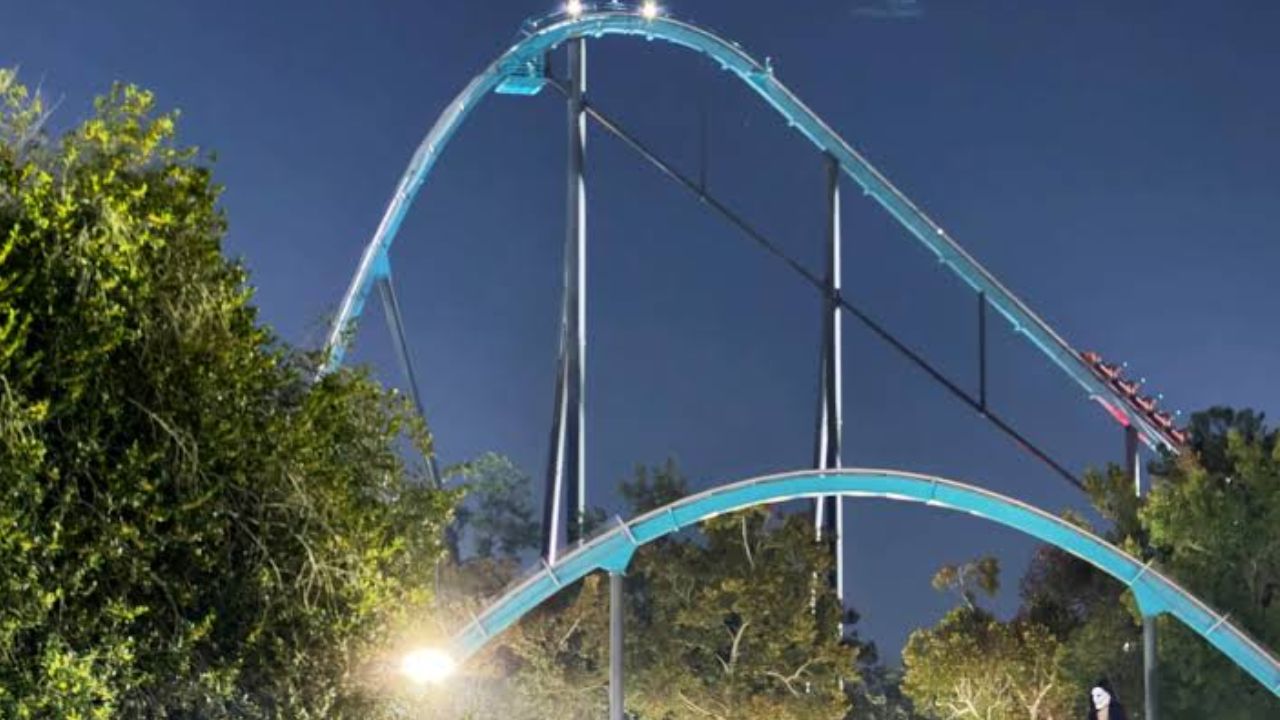
Goliath has operated at Six Flags Over Georgia for approximately two decades. The attraction is known for its steep drops and high speeds, including a reported 200-foot (61-meter) descent and speeds of up to 70 mph (112 kph).
Unlike roller coasters built around repeated inversions, Goliath emphasizes high-speed movement, steep plunges and sweeping turns.
According to the information provided about the incident, Ibn Kariem was thrown from his seat while riding the attraction, struck other park guests and landed below the ride. Authorities have disclosed limited details about the circumstances leading to his death.
Following the fatal incident, Six Flags temporarily closed nine similar roller coasters across North America as a precaution.
The ride’s manufacturer, Bolliger & Mabillard, said it was investigating the incident and would not comment further until it had a better understanding of what happened.
Why Is US Amusement Park Safety Oversight Under Scrutiny?
The accident has renewed debate over the division of responsibility between federal authorities, state regulators and amusement park operators.
Under the current US regulatory framework described in the report, major fixed-site amusement park rides are generally outside the federal Consumer Product Safety Commission’s direct regulatory authority. Oversight instead varies by state, creating differences in inspection requirements and enforcement practices.
Critics argue that this arrangement leaves gaps in how rides are monitored across the country.
Massachusetts Sen. Ed Markey has repeatedly introduced legislation seeking to address what he describes as a loophole in federal law. The issue centers on the distinction between mobile amusement rides, which fall under federal oversight, and permanent attractions at major theme parks.
Brian Avery, a University of Florida professor and amusement ride safety expert, has also questioned whether existing oversight adequately ensures that organizations follow established safety standards.
“Who’s watching those in these organizations to ensure that they are adequately trained, that they are compliant, that they are monitoring these rides to the level in which the standards have established?” Avery said.
Georgia’s Office of Insurance and Safety Fire Commissioner is conducting an investigation into the incident. Spokesperson Garrison Bennett said the office was carrying out an “in-depth and comprehensive review.”
How Are Roller Coasters Designed to Keep Riders Safe?
Amusement park operators rely on multiple safety measures, including restraint systems, operating procedures, inspections and industry standards.
Goliath uses a pull-down lap restraint commonly described as a clamshell. The mechanism secures riders around the hips through a ratcheting system designed to remain locked during the ride.
Martin Lewinson, a roller coaster expert and professor at Farmingdale State College, said the restraint mechanism incorporates redundant components intended to improve reliability.
Ride control systems also provide operators with indicators showing whether individual restraints are locked before a train is dispatched. According to Lewinson, the system is designed to prevent a train from moving until the restraints are properly secured.
However, the presence of safety mechanisms does not establish what happened in a particular accident. Investigators must determine whether the incident involved equipment, rider fit, operational procedures or another factor before reaching conclusions.
Dennis Speigel, a theme park consultant and former president of the International Association of Amusement Parks and Attractions, has emphasized the industry’s multiple layers of safety checks, including inspections and pressure from insurers.
The industry has also cited a low rate of serious injuries on amusement park rides. But experts acknowledge that even rare incidents can have devastating consequences.
Previous Accidents Have Raised Similar Concerns
The Georgia tragedy is not the first fatal amusement ride incident to prompt questions about restraints and rider safety.
In 2022, a 14-year-old Missouri boy died after falling from an attraction in Orlando. The incident raised questions about whether the restraint system had properly secured the rider.
In 2013, a 52-year-old Dallas woman died after falling from the Texas Giant roller coaster at Six Flags Over Texas. The park subsequently introduced additional restraint padding, seat belts and sample seats that allowed visitors to check whether they could fit safely before boarding.
These incidents illustrate why restraint design, rider fit and operating procedures remain important elements of amusement ride safety.
Nick Mendenhall, who said he had ridden Goliath more than 12 times in recent weeks, described seeing employees check the restraints before each ride.
“There are two employees, one on either side of the train, and with their hands they push down and they make sure it locks every time. I’ve never seen them not do it,” Mendenhall said.
His account describes the procedure he observed but does not establish what occurred during the fatal ride.
Roller Coaster Rules Differ From State to State
State regulations illustrate how differently amusement ride safety is handled across the country.
In California, the Department of Industrial Relations oversees ride safety through inspections and reporting requirements for certain attractions. New or modified rides are subject to agency requirements, while inspection procedures can vary according to the applicable rules.
Florida takes a different approach. Some of the state’s largest theme park operators, including Walt Disney World and Universal, are exempt from certain state ride-inspection requirements, although reporting obligations apply to serious incidents. Smaller carnivals and other venues remain subject to different oversight rules.
1-Year-Old Baby Killed After NYC Driver Allegedly Runs Stop Sign With Cocaine in His System
Texas relies on private inspectors hired by ride operators or their insurers for certain inspections.
Arizona also uses a different system. State law requires annual private inspections, while enforcement responsibilities largely fall to local governments.
These differences have strengthened calls for a more uniform national approach, although the precise responsibilities of regulators depend on the type of attraction and the applicable state laws.
What Happens Next After the Six Flags Accident?
Georgia authorities are continuing to examine the circumstances surrounding the death, while the ride manufacturer has said it is investigating.
The findings will be important in determining what caused the rider to be ejected and whether changes to equipment, operating procedures or inspection practices are necessary.
For now, the incident has raised broader questions about how amusement parks balance increasingly ambitious ride designs with the need to protect visitors.
Do you think the United States should establish more consistent federal safety rules for major amusement park rides, or should oversight remain primarily with individual states? Share your thoughts in the comments below.

One thought on “After a Fatal Fall at Six Flags, Experts Question Whether Amusement Park Safety Oversight Goes Far Enough”