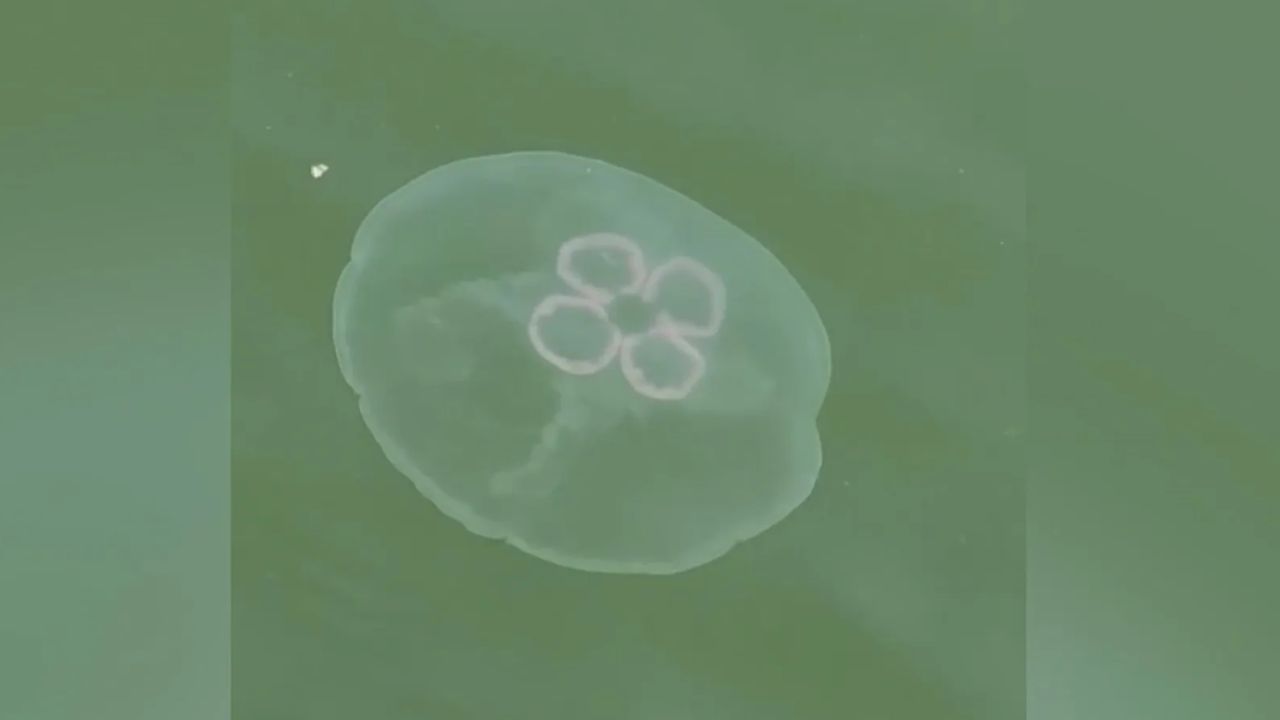
Newport Beach, California — Jellyfish sightings are increasing in the waters around Newport Beach, with beach officials and local observers reporting more of the sea creatures floating near Newport Dunes and around nearby docks in recent weeks.
Newport Dunes Resort recently shared video showing jellyfish moving through the shallow waters near the shoreline. While early fall can normally bring some jellyfish sightings to Southern California, experts believe unusually warm ocean temperatures linked to a powerful El Niño may be contributing to the increase.
The warmer conditions are also creating opportunities for other subtropical and tropical marine species to appear farther north than they typically would.
Warmer Ocean Waters Could Be Driving the Increase
Climatologists say an extraordinarily strong El Niño is developing in the eastern tropical Pacific, influencing ocean temperatures and weather patterns across a much wider area.
Along the Southern California coast, water temperatures are currently 3 to 5 degrees above average, according to data from the National Oceanic and Atmospheric Administration.
Those warmer waters can create more favorable conditions for subtropical species and may help some marine populations expand or move into areas where they are less commonly seen.
That could explain why jellyfish have become more noticeable around Newport Beach during recent weeks.
Although jellyfish can appear in Southern California waters during the fall, the combination of seasonal conditions and unusually warm ocean temperatures may be contributing to the larger number of sightings being reported this year.
Jellyfish Aren’t the Only Unusual Visitors
The warmer water appears to be bringing more than just jellyfish closer to Southern California beaches. Several unusual marine encounters have been reported along the coast in recent months.
In August, a rare hammerhead shark sighting was captured on video near the Malibu Pier. Hammerhead sharks are generally associated with warm tropical and subtropical coastal waters.
Then, on September 9, a pilot working in Southern California’s commercial fishing industry recorded video of a lone whale shark between Malibu and Santa Barbara Island.
Whale sharks are the largest fish in the world and are generally associated with warmer waters, making the encounter another notable example of tropical marine life appearing in Southern California.
Stingray encounters have also increased.
According to lifeguard data, the number of people being poked by stingray barbs at local beaches has doubled compared with last year.
Together, the sightings suggest that the unusually warm coastal waters are influencing the types of marine animals being encountered by people along the Southern California coastline.
Experts Say the Tropical Visitors Won’t Stay Forever
Despite the unusual number of sightings, experts say the influx of tropical and subtropical marine life is expected to be temporary.
Nate Jaros, vice president of animal care at the Aquarium of the Pacific in Long Beach, said the unusual influx will eventually fade, encouraging people to appreciate the marine life while it remains.
For beachgoers, however, the increased presence of jellyfish is also a reminder to pay attention while swimming or wading.
What to Know About Jellyfish Stings
Jellyfish stings are relatively common for people swimming, wading or diving in the ocean.
The long tentacles trailing behind jellyfish contain thousands of microscopic stinging cells capable of injecting venom. A sting can produce several uncomfortable symptoms, including burning, prickling or stinging pain, welts, itching and swelling.
In some cases, the pain can become intense and radiate up an arm or leg.
More serious reactions can involve multiple body systems and may develop quickly or several hours after exposure. Warning signs can include stomach pain, nausea, vomiting, headache, muscle spasms, dizziness, confusion, difficulty breathing and heart problems.
Hurricane Isaias Is Coming—Here’s Which Weekend Festivals and Games Are Canceled or Still Happening
Anyone experiencing severe symptoms after a jellyfish sting should seek immediate medical attention.
What to Do After a Jellyfish Sting
For a typical sting, visible tentacles should be carefully removed with tweezers rather than handled directly.
The affected skin can then be soaked in hot water until the pain begins to ease, followed by application of hydrocortisone cream or ointment if appropriate.
There are also several commonly suggested remedies that should be avoided. Do not rinse the affected area with urine, apply alcohol, rub the skin with a towel or use a pressure bandage.
With ocean temperatures remaining unusually warm, more jellyfish and other subtropical species could continue appearing along Southern California beaches before conditions eventually return closer to normal.
Have you noticed more jellyfish, stingrays or unusual sea life at Southern California beaches this year? Share what you’ve seen in the comments and let us know which beach you’ve noticed them at.