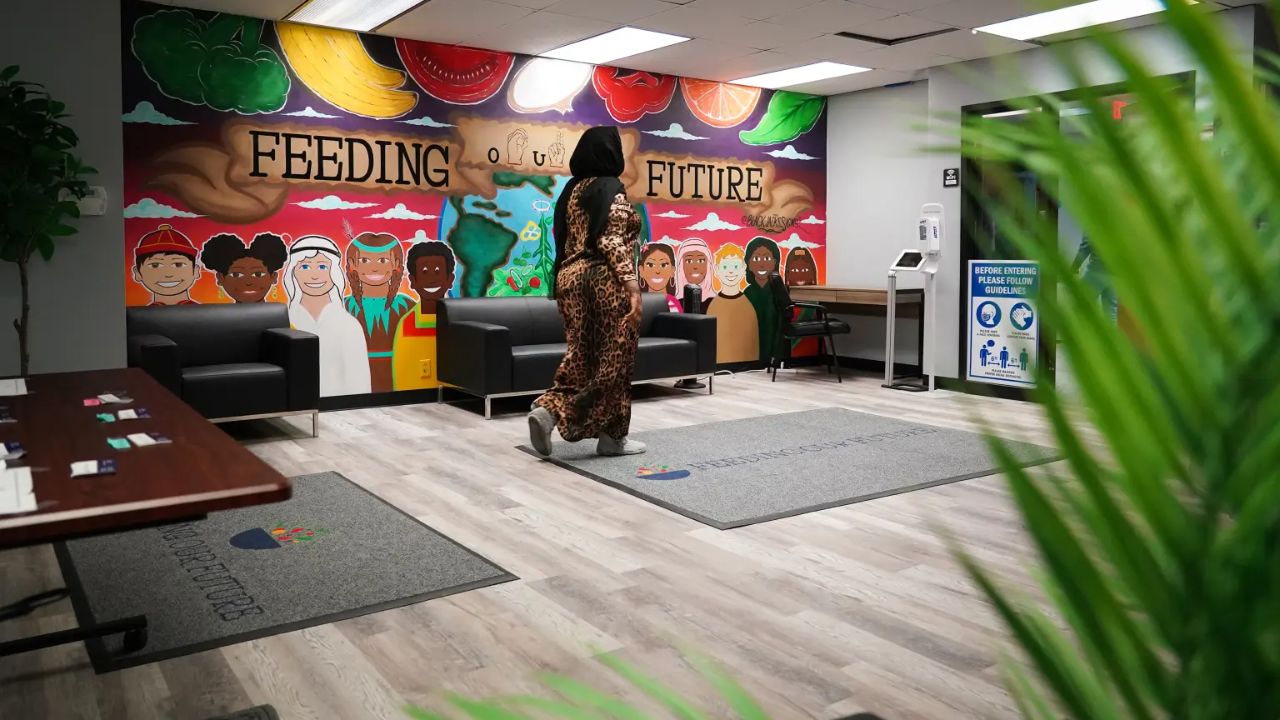
Minneapolis, Minnesota — A Minnesota restaurant operator has been sentenced to 30 years in federal prison for his role in a massive pandemic-era fraud scheme that prosecutors say improperly obtained millions of dollars from a federal program intended to provide meals to children in need.
Salim Said, who operated Safari Restaurant in Minneapolis, was sentenced Wednesday after being convicted in the “Feeding Our Future” case, one of the largest fraud investigations involving federal pandemic food assistance. Prosecutors said Said was responsible for approximately $44 million in fraudulent claims, including money connected to people he recruited into the program.
The case centered on allegations that meal counts were dramatically inflated to secure government reimbursements for food supposedly distributed to underprivileged children.
How the Minnesota Food Program Fraud Worked
The federal child nutrition program was designed to help provide meals to children who needed food assistance. During the COVID-19 pandemic, changes to the program allowed restaurants and other participating organizations to distribute meals at locations outside traditional school settings.
Prosecutors said the changes created opportunities for fraudulent claims under the Feeding Our Future operation.
Said was accused of submitting reimbursement requests that overstated the number of meals served. According to prosecutors, he claimed that his sites distributed as many as 6,000 meals a day, while FBI surveillance footage showed approximately 40 people collecting food daily.
In a court filing, prosecutors argued that the reported meal totals did not match the evidence gathered during the investigation.
They also said that Said submitted thousands of fraudulent reimbursement claims over a period of 21 consecutive months, with the claims allegedly listing children who did not exist.
The government maintained that the scheme involved repeated submissions for meals that had not actually been provided as reported.
Judge Criticizes the Impact of the Fraud
During sentencing, U.S. District Judge Nancy Brasel criticized Said for the damage the case had caused beyond the financial losses to taxpayers.
“You took more than taxpayers’ dollars to enrich yourself. You took the reputation of our state down with you,” Brasel said.
The government alleged that Said used proceeds from the fraud to acquire valuable assets, including a $1.2 million home, commercial real estate and an $87,000 pickup truck.
Prosecutors argued that the purchases demonstrated the scale of the financial benefits Said obtained through the operation.
The 30-year prison sentence represents a major punishment in a case that has drawn national attention because of the amount of public money involved and the program’s original purpose of feeding children during the pandemic.
Said Previously Denied the Allegations
Said denied the allegations while testifying at his 2025 trial. He argued that many meals had been delivered to locations away from the restaurant.
However, at his sentencing, he expressed remorse, according to the account of the proceedings.
His defense attorney, Barry Zone, had requested a prison sentence of 12 years and disputed the government’s characterization of Said as the architect of the fraud.
Prosecutors, meanwhile, argued that Said played a major role in the scheme and was responsible for a substantial portion of the fraudulent claims.
Said was convicted of multiple charges in 2025 alongside Aimee Bock, the leader of the Minnesota nonprofit Feeding Our Future.
Aimee Bock Is Serving a 42-Year Sentence
Bock was sentenced to 42 years in prison for her role in devising the broader scheme, according to the case details. Prosecutors said she helped recruit Said and others into the federal food program during the pandemic.
A judge also ordered Bock to repay $242 million.
The investigation has involved dozens of defendants, many of whom have been convicted in connection with the broader fraud operation. The cases have focused on allegations that organizations and individuals exploited emergency food assistance funding through false meal counts and reimbursement requests.
The scale of the alleged misconduct has raised questions about how program administrators monitored participating organizations and verified claims during the pandemic.
30-Year-Old Woman Struck and Killed by NYC Sanitation Truck at Brooklyn Intersection
Minnesota Officials Faced Questions Over Oversight
State auditors found that the Minnesota Department of Education had received numerous complaints about Feeding Our Future but often directed the organization to police itself.
The findings brought additional attention to the oversight mechanisms responsible for ensuring that federal food assistance reached children rather than being diverted through fraudulent claims.
The case also became a subject of political debate. President Donald Trump repeatedly criticized Minnesota Gov. Tim Walz over the fraud, citing it as part of his broader criticism of the state’s administration.
In January, Walz announced that he would not seek reelection, following sustained criticism over alleged theft in programs that relied on federal funding.
The criminal proceedings, however, center on the conduct of the individuals charged and convicted in the food assistance scheme.
What Happens Next in the Feeding Our Future Case?
Said’s 30-year sentence marks another major development in the ongoing consequences of the Minnesota food program fraud investigation.
The case illustrates how pandemic-era emergency funding intended to help vulnerable families became the focus of extensive criminal proceedings over allegations of false claims and misuse of taxpayer money.
With numerous defendants already convicted and substantial financial penalties imposed, the investigation has continued to shape discussions about public program oversight and accountability.
What measures do you think could help prevent fraud in government-funded programs designed to feed children? Share your thoughts in the comments below.