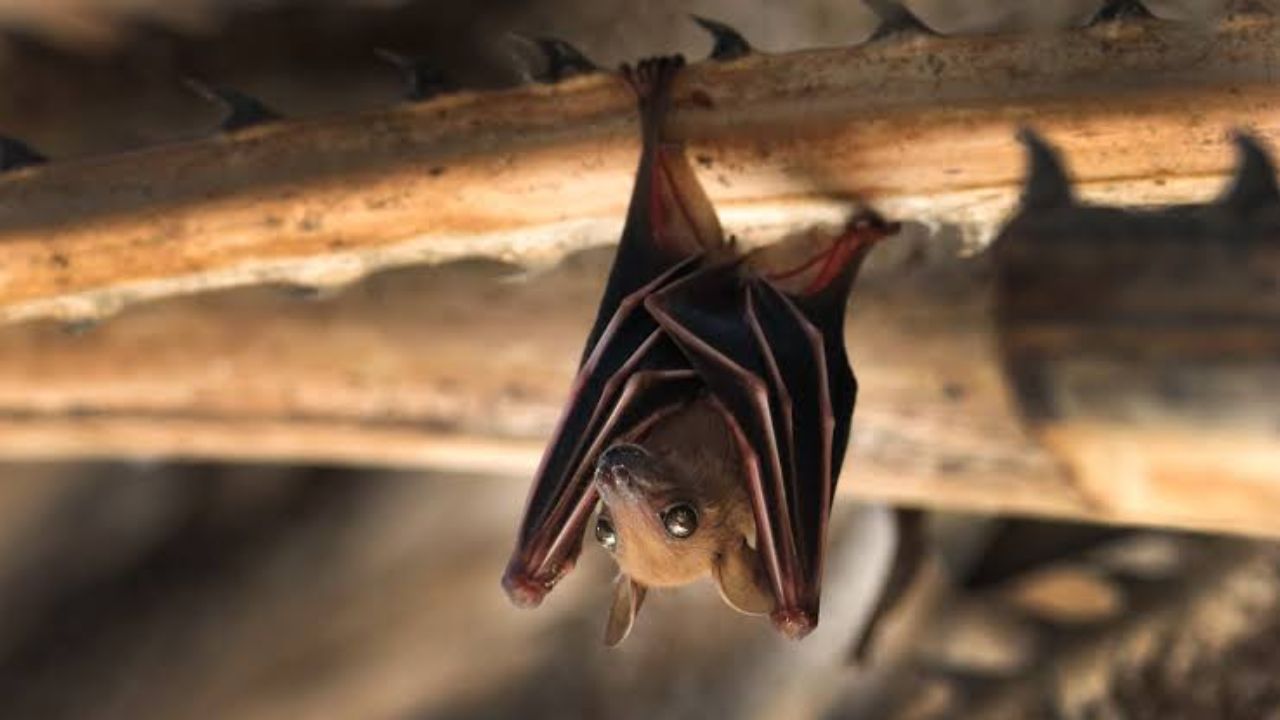
Los Angeles, California — Los Angeles County has recorded a record-breaking number of rabid bats this year, with 69 infected animals confirmed so far, according to the Los Angeles County Department of Public Health.
The department announced the increase on World Rabies Day, Sept. 28, warning that the number is particularly concerning because the county has not yet reached the typical peak season for bat activity.
Health officials said the number of rabid bats identified each year can vary, but there has been a steady upward trend for more than a decade.
69 Rabid Bats Have Been Confirmed So Far
The county’s latest figures show that 69 bats have tested positive for rabies in 2026.
The timing is raising additional concern because bat activity and rabies detections typically peak during late summer and early fall. Twenty-four rabid bats were identified in August alone, making it an especially significant month in this year’s total.
The infected bats have been found in different parts of Los Angeles County, including the San Fernando Valley and downtown Los Angeles.
However, one area accounts for a particularly large share of the detections.
According to the Department of Public Health, 68% of the rabid bats found this year were detected in the Santa Clarita Valley. Most of the infected animals have been identified as canyon bats, a species commonly found throughout Southern California.
Health Officials Warn Residents Not to Touch Bats
Los Angeles County Health Officer Muntu Davis emphasized that bats play an important role in the environment but can also transmit rabies.
“Bats are an important part of our environment, but they can be infected with and spread rabies, a disease that is almost always fatal once symptoms appear,” Davis said in a statement.
“If you find a bat indoors or think you may have had contact with one, contact your medical provider or Public Health right away. And remember, never touch a bat or any wild animals,” Davis continued. “Immediately report any bat found indoors, or outdoors if it appears sick, active during the day, unable to fly, or dead, to your local animal control.”
The department described the elevated number of rabid bats as a real and ongoing public health concern.
How Rabies Exposure Can Happen
People can potentially be exposed to rabies through a bite, scratch or other direct contact with an infected animal.
Because bat bites can sometimes be difficult to notice, health officials recommend taking any possible contact seriously rather than attempting to handle or remove a bat without professional assistance.
Residents are also encouraged to report bats that appear sick or behave unusually. Signs that a bat may be ill include being active during daylight hours or being unable to fly normally.
Officials specifically warn residents not to handle bats, whether the animals are alive, sick or dead.
Pet Vaccinations and Home Protection Can Help
Health officials are encouraging residents to take several precautions as bat activity continues.
Those measures include keeping pets vaccinated against rabies, reporting unusual bat sightings and learning how to recognize signs of illness in bats.
Homeowners can also take steps to bat-proof their houses by identifying and sealing potential entry points.
The precautions are particularly important because rabies is not limited to bats. Other wild animals, including raccoons, skunks and foxes, can also carry and transmit the virus.
Rabies Treatment Is Highly Effective Before Symptoms
Anyone who believes they may have been exposed to rabies should seek medical attention immediately.
According to health officials, treatment after an exposure generally includes thorough wound care followed by a series of rabies vaccines. When administered promptly and appropriately before symptoms develop, this treatment is nearly 100% effective at preventing rabies from progressing.
The situation becomes dramatically more serious once symptoms appear.
Early symptoms can resemble the flu and may include discomfort or unusual sensations around the site of a bite. As the infection advances, symptoms can include anxiety, confusion, hallucinations and aggressive behavior.
Once clinical symptoms of rabies develop, the disease is often fatal.
With Los Angeles County already reporting 69 confirmed rabid bats before the usual peak season has ended, health officials are urging residents to remain cautious and avoid direct contact with wildlife.
Have you seen bats behaving unusually in your area? Share your experience in the comments and let others know what precautions you’re taking to keep your family and pets safe.