Franklin County, Pennsylvania — Pennsylvania has reported its sixth measles-associated death of the year as a growing outbreak continues to drive infections and hospitalizations across the state, according to local authorities.
The Franklin County Coroner’s Office announced Monday that a 39-year-old woman died on Saturday, October 10. Officials said she had several underlying health conditions and a previous measles diagnosis for which she had received treatment. Her identity has not been released to protect her family’s privacy.
The death meets the Pennsylvania Department of Health’s definition of a measles-associated death, marking a concerning development as health officials continue to monitor the outbreak.
Pennsylvania Measles Outbreak Reaches Another Milestone
According to the Commonwealth of Pennsylvania, the state had recorded 1,136 measles cases and 219 hospitalizations as of October 9.
Approximately two-thirds of the reported cases have involved adults, highlighting that measles is not limited to children and can affect people across different age groups.
Pennsylvania’s outbreak is on track to become the largest measles outbreak the United States has experienced in decades, according to the information provided by state officials.
The latest death follows the fifth measles-associated death reported in Pennsylvania at the end of September. That patient was an unvaccinated resident of Lancaster County, where approximately 40% of the state’s cases have been concentrated.
The four earlier deaths involved an unvaccinated teenager from Mifflin County, a 40-year-old woman from Jefferson County and two infants in Lancaster County.
What Officials Said About the Latest Death
The Franklin County Coroner’s Office confirmed the latest death but did not identify the woman or provide additional details about her underlying conditions.
In a public statement, the office urged medical professionals, first responders and residents to follow precautions recommended by the Pennsylvania Department of Health and the Centers for Disease Control and Prevention.
The statement emphasized the importance of caution and vigilance in responding to the disease and its potential aftereffects.
The designation of a measles-associated death does not necessarily mean measles was the only medical factor involved. In this case, officials specifically noted that the woman had several underlying conditions and a previous measles diagnosis.
U.S. Measles Cases Nearly Double 2025 Total
The outbreak in Pennsylvania comes as measles cases have increased sharply nationwide.
The Centers for Disease Control and Prevention reported 4,080 confirmed measles cases in the United States as of October 8, 2026, compared with 2,289 confirmed cases reported during all of 2025.
According to the figures provided, 95% of confirmed cases this year involved people who were unvaccinated or whose vaccination status was unknown.
Measles is highly contagious and can spread when an infected person coughs or sneezes. The virus can remain in the air for up to two hours under certain conditions, allowing people to become infected even after an infected person has left an area.
Initial symptoms generally appear seven to 14 days after exposure and may include a high fever, cough, runny nose, and red, watery eyes. A rash can also develop.
Although some people recover without major complications, measles can cause serious illness, including pneumonia and encephalitis, a potentially dangerous inflammation of the brain.
Who May Need an MMR Booster?
Health officials continue to emphasize vaccination as the primary way to prevent measles infection and reduce the risk of severe illness.
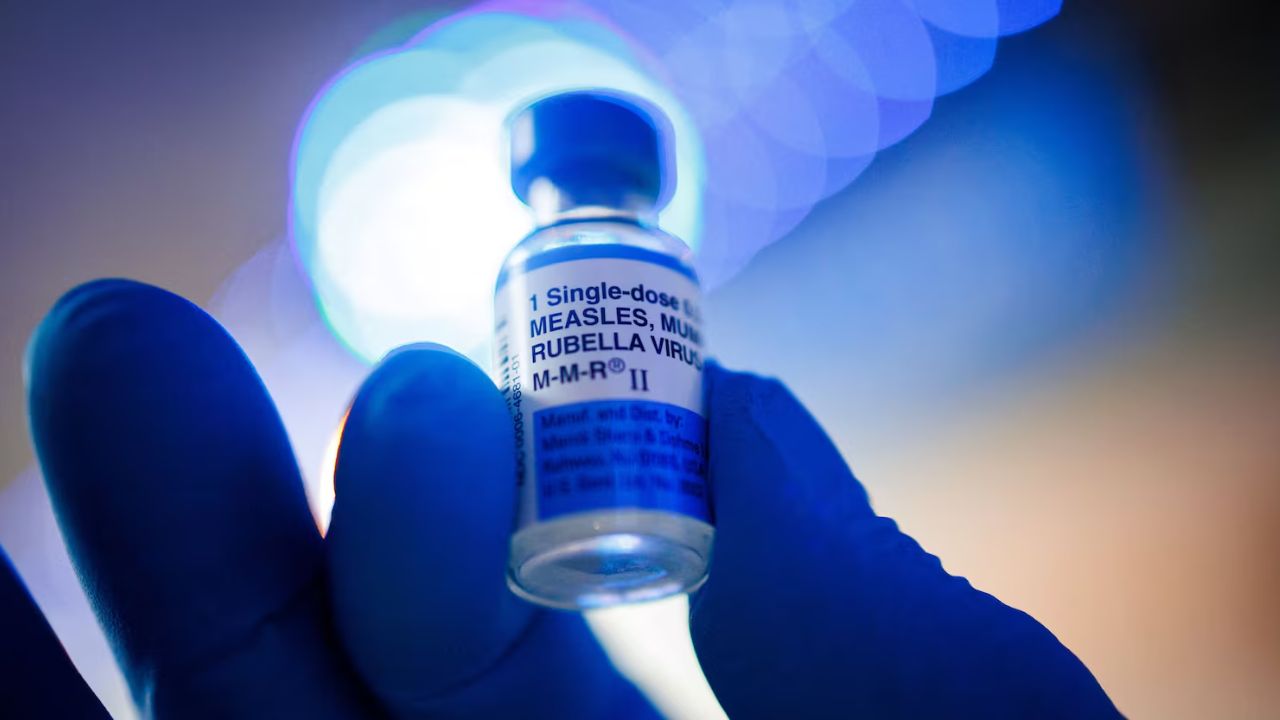
The Pennsylvania Department of Health says two doses of the measles, mumps and rubella (MMR) vaccine are 97% effective at preventing measles. Vaccinated people who become infected are generally less likely to experience severe symptoms or require hospitalization.
Most adults born in 1957 or later should have documentation of vaccination or other acceptable evidence of immunity. People vaccinated between 1963 and 1967 may need to check which vaccine they received because some were given an older, less effective killed-virus vaccine.
Certain groups, including college students, international travelers and health care workers, may need two doses or other evidence of immunity, depending on their circumstances.
During an outbreak, local health departments may recommend additional vaccination measures for specific groups. Anyone unsure of their vaccination history should consult a health care professional or local health department before deciding whether another dose is necessary.
What Residents Should Watch For
As the Pennsylvania outbreak continues, residents should pay attention to local health advisories and seek medical guidance if they suspect measles exposure or develop compatible symptoms.
Anyone who believes they may have measles should call a health care provider before visiting a medical facility. This allows staff to take precautions to reduce the risk of exposing other patients and workers.
The sixth reported measles-associated death underscores the potential seriousness of the disease, particularly for people with underlying health conditions and those without adequate immunity.
With more than 1,100 cases already reported in Pennsylvania, vaccination status, exposure history and timely medical guidance remain important considerations as the outbreak develops.
Have measles cases increased in your community, or have local health officials issued any new warnings? Share what you are seeing and what residents should know in the comments below.